Why the Lodging Conference matters for B2B distribution leaders
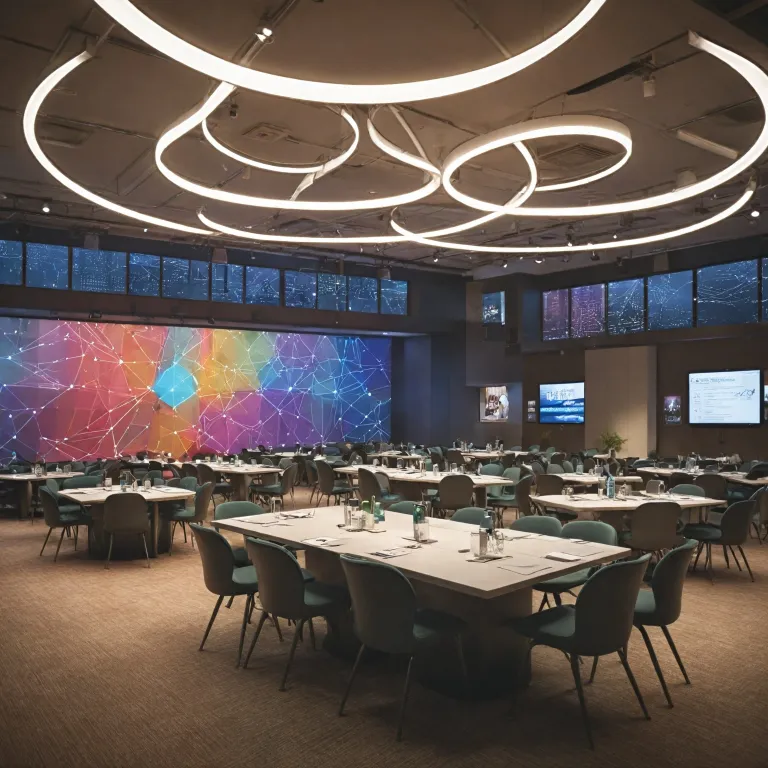
The Lodging Conference has evolved into a strategic arena for every hotel distribution and B2B sales leader. For responsables distribution, channel managers, development officer profiles, and chief development executives, this conference concentrates the real hotel industry agenda into four intense days. The setting at the JW Marriott Phoenix Desert Ridge Resort & Spa reinforces that this is not just another hospitality event but a working laboratory for deals and strategy.
Over 2 900 hotel owners, presidents, president CEO profiles, and management companies gather to debate market shifts, interest rates, and asset management priorities. In this environment, the lodging conference becomes a rare space where hotel owners, hotel management teams, and hotel business partners can align distribution, marketing, and technology roadmaps. The presence of hotels, hotels resorts, GDS, OTA, CRS, and wholesalers ensures that every distribution channel is represented in both singular and plural perspectives.
The conference industry around lodging has often focused on development, finance, and real estate, yet B2B distribution now sits at the core of every discussion. Rising costs, flatlining revenue, and macroeconomic uncertainty force hospitality leaders to reexamine channel management, pricing, and guest experience strategies. For many, this year conference cycle will be remembered as the moment when artificial intelligence moved from buzzword to operational tool.
Within this context, the Lodging Conference organizer, led by founder harry javer, positions the lodging conference as a neutral ground where sponsors, technology providers, and hotel industry executives can negotiate future facing partnerships. The Lodging Connect networking system and the conference app help attendees structure meetings, track sessions, and secure concrete business development outcomes. For distribution leaders, the real value lies in translating these conversations into measurable B2B deals.
Aligning distribution strategy with owners, management companies, and brands
For responsables distribution and channel managers, the most productive conversations at the Lodging Conference happen between hotel owners, management companies, and brand executives. These stakeholders arrive with different priorities regarding real estate, asset management, and hotel management, yet they share the same pressure on profitability. The lodging conference therefore becomes a negotiation table where distribution costs, commission structures, and marketing investments are openly debated.
In many hotels and hotels resorts, distribution strategy is still fragmented between revenue, sales, and marketing teams. At the conference, panels on development and hotel business performance highlight how unified B2B distribution can unlock new market segments and improve guest experience consistency. When owners understand the lifetime value of B2B accounts, they become more willing to support long term channel investments.
Sessions dedicated to management and hotel industry governance often underline the role of the development officer and chief development leaders in shaping distribution partnerships. These executives evaluate which CRS, GDS, and OTA relationships truly support the hotel industry portfolio strategy. For channel managers, this is the ideal moment to present data on rate parity, contribution margins, and the impact of interest rates on acquisition costs.
When selecting or renegotiating a channel manager, many attendees reference independent analyses such as the key criteria for selecting the best channel manager for hotel distribution and B2B sales. These frameworks help hotel owners and presidents compare technology options beyond marketing claims. Around private tables and sponsor lounges, the lodging conference transforms those frameworks into concrete RFP discussions and multi hotel deals.
Artificial intelligence and technology as levers for B2B channel performance
Artificial intelligence is no longer a theoretical topic at the Lodging Conference ; it is a practical lever for B2B distribution and hotel management. Panels dedicated to technology and hotel industry innovation show how AI powered forecasting, pricing, and personalization tools can reshape both hotel business and guest experience. For channel managers, the key question is how to integrate these tools into existing CRS, PMS, and channel manager ecosystems without disrupting operations.
Many hotels and hotels resorts now test AI driven demand sensing to anticipate shifts in corporate, group, and wholesale demand. At the conference, management companies share case studies where AI has optimized inventory allocation between OTA, GDS, and direct channels. These examples resonate strongly with hotel owners and president CEO profiles who seek higher ROI from their technology investments.
Technology sponsors at the lodging conference increasingly position themselves as long term partners in business development and asset management. Their solutions promise better visibility on market trends, improved rate integrity, and more granular control over B2B contracts. For distribution leaders, the challenge is to evaluate which tools genuinely enhance management and marketing performance across entire portfolios.
Resources such as analyses on advanced hospitality channel manager software provide useful benchmarks for these decisions. During think tanks, participants debate how AI can support eco conscious distribution strategies and reduce overreliance on high cost intermediaries. The Lodging Conference organizer encourages these debates because they directly address the structural challenges facing the lodging conference community and the wider hospitality industry.
From conference networking to concrete B2B deals and partnerships
For many attendees, the Lodging Conference is primarily about deals. The combination of formal sessions, sponsor events, and informal networking around the JW Marriott Phoenix Desert Ridge Resort & Spa creates a dense environment for business development. Over several days, hotel owners, presidents, development officer profiles, and chief development executives move from exploratory conversations to concrete term sheet discussions.
The Lodging Connect online system and the conference app allow participants to pre schedule meetings with hotel industry peers, technology providers, and management companies. This structure ensures that every hour at the event can be aligned with specific B2B objectives, whether related to new hotels, hotels resorts, or portfolio wide distribution agreements. For channel managers, this is the ideal moment to negotiate multi property connectivity, content quality standards, and marketing support.
Many sponsors use the lodging conference to launch new hospitality technology, marketing solutions, or real estate investment platforms. These launches often include targeted sessions on hotel business performance, guest experience enhancement, and asset management optimization. When hotel owners see how these solutions can mitigate interest rates pressure and market volatility, they become more open to pilot projects.
Networking in Phoenix extends beyond the official program, with breakfast meetings, evening receptions, and corridor conversations all contributing to the year lodging relationship building cycle. Over time, the lodging conference community has developed a reputation for candid discussions about management challenges, distribution costs, and hotel management best practices. As one organizer statement summarizes it clearly ; “Over 2,900 hotel owners and executives, including presidents and CEOs, primarily from the United States.”
Integrating sustainability, guest experience, and real estate strategy in distribution
Distribution leaders attending the Lodging Conference increasingly link sustainability, guest experience, and real estate strategy. Hotel owners and asset management teams recognize that eco conscious operations can influence both B2B demand and long term property value. For hotels and hotels resorts, this means aligning distribution narratives with tangible environmental and social commitments.
Panels on market evolution show that corporate buyers and travel management companies now evaluate hospitality partners on ESG criteria. This trend affects how management companies position their hotel industry portfolios on GDS, OTA, and direct channels. For channel managers, integrating sustainability attributes into content, rate plans, and marketing campaigns becomes a competitive advantage.
Resources such as this analysis on eco conscious hotel solutions for B2B distribution and sustainable hospitality performance are frequently referenced in conference discussions. They help hotel business leaders quantify the impact of sustainability on guest experience, ADR, and corporate RFP success. At the lodging conference, these insights are debated alongside real estate considerations like renovation cycles and interest rates.
For many president CEO profiles and development officer executives, the challenge is to integrate sustainability into development, marketing, and management decisions without diluting financial performance. The lodging conference therefore becomes a platform where real estate investors, hotel management teams, and technology sponsors co create new models. These models aim to align year lodging performance with long term asset resilience and evolving guest expectations.
Preparing your distribution and B2B sales agenda for the next Lodging Conference
To fully leverage the Lodging Conference, distribution leaders must arrive with a precise agenda. Responsables distribution, channel managers, and B2B sales directors should map their current hotel industry challenges across management, marketing, and technology. This preparation allows them to target sessions, sponsors, and hotel owners that can directly influence their hotel business outcomes.
Before traveling to Phoenix, many management companies conduct internal reviews of their hotels and hotels resorts portfolios. They analyze channel mix, B2B contribution, and the impact of interest rates on acquisition costs and real estate decisions. These diagnostics help presidents, president CEO profiles, and development officer executives frame sharper questions for panels and private meetings.
During the event, it is essential to balance time between conference sessions, sponsor showcases, and one to one discussions. Panels on artificial intelligence, asset management, and guest experience provide strategic context for immediate distribution decisions. Meanwhile, targeted meetings with CRS, GDS, and OTA partners enable concrete negotiations on contracts, content, and marketing support.
After returning from the lodging conference, successful teams translate insights into action plans for each hotel and for the wider hotels resorts portfolio. They prioritize technology upgrades, renegotiate underperforming deals, and refine B2B marketing narratives. In this way, the conference becomes not just a hospitality industry gathering but a catalyst for measurable improvements in year lodging performance and long term real estate value.
Key quantitative insights about the Lodging Conference
- Number of attendees in the last edition ; 2 900 people, primarily hotel owners and executives.
- Percentage of attendees based in the United States ; approximately 90 % of participants.
- Number of years the lodging conference has been held ; 29 consecutive editions.
- Event duration ; 4 days of sessions, networking, and business development.
- Location ; JW Marriott Phoenix Desert Ridge Resort & Spa in Phoenix, Arizona.
Key questions B2B distribution leaders ask about the Lodging Conference
Who attends the Lodging Conference and why does it matter for distribution ?
The Lodging Conference attracts over 2 900 hotel owners and executives, including presidents and CEOs, which creates a unique decision making ecosystem for distribution leaders. For responsables distribution, channel managers, and B2B sales directors, this concentration of hotel industry authority accelerates negotiations on technology, marketing, and management partnerships. The high proportion of United States based attendees also offers a clear view of North American market dynamics.
What is included with registration for distribution and channel leaders ?
Registration typically grants access to general sessions, think tanks, meals, networking events, and conference materials. For distribution and management professionals, this means direct exposure to panels on development, finance, franchising, and the impact of artificial intelligence on hotel business performance. Travel and lodging are not included, so teams often coordinate early bookings at the JW Marriott Phoenix Desert Ridge Resort & Spa or nearby hotels.
Which topics are most relevant to B2B distribution and channel management ?
The program consistently covers development, finance, franchising, management, construction, design, and operations, with a growing emphasis on technology. For B2B distribution leaders, sessions on artificial intelligence, asset management, and guest experience are particularly valuable. These discussions help align hotel owners, management companies, and technology sponsors around sustainable growth strategies.
How can distribution teams maximize ROI from attending the conference ?
Teams should define clear objectives related to hotel management, marketing, and technology before arriving in Phoenix. By pre scheduling meetings through Lodging Connect and prioritizing sessions on hotel industry challenges, they can focus on high impact conversations. After the event, structured debriefs and action plans ensure that insights translate into improved channel performance and stronger B2B deals.
Why is the Lodging Conference important for future facing hotel real estate decisions ?
The conference brings together real estate investors, hotel owners, asset management specialists, and management companies in one venue. Discussions on interest rates, development pipelines, and hotels resorts repositioning directly influence long term portfolio strategies. For distribution leaders, understanding these real estate dynamics is essential to aligning channel, pricing, and guest experience decisions with ownership expectations.