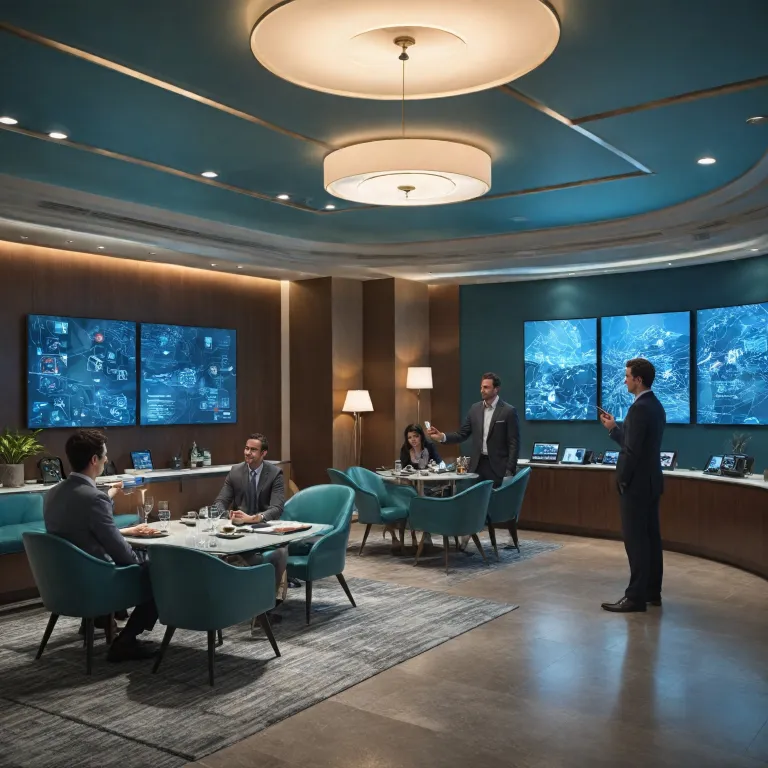
Redefining B2B value with a modern hospitality video distribution system
A hospitality video distribution system has moved from back-of-house utility to front-line B2B sales asset. For every hotel and business hotel, the way video, audio video, and television signals are distributed now shapes both guest experience and corporate buying decisions. When distribution leaders frame room entertainment and digital signage as revenue enablers, they elevate the conversation with OTAs, GDS partners, and corporate buyers.
Hospitality groups increasingly treat the hospitality video distribution system as a core digital system, not a peripheral technology. Centralized control systems orchestrate IPTV, RF, and AV-over-IP video distribution across hundreds of hotels, ensuring consistent services and entertainment options for every guest. This shift allows channel managers to position content and room entertainment as part of a differentiated B2B solutions portfolio rather than a generic amenity.
For sales teams, the ability to present a robust hotel television and iptv architecture is now a decisive argument in RFPs. Corporate travel buyers expect that each hotel room will provide intuitive control, reliable video walls in meeting spaces, and frictionless access to local attractions information. When a hospitality video distribution system integrates with CRM and PMS systems, it supports targeted content, upsell services, and measurable guest experience improvements.
Providers such as Amadeus Video Solutions, ZeeVee, StreamVision, earthTV, and Pro Video Instruments illustrate how hotel distribution of content has become strategic. Their systems and solutions help hotels scale video and audio video feeds, manage pro idiom protected channels, and maintain a unified distribution system across regions. For B2B distribution leaders, these capabilities translate directly into stronger positioning with wholesalers, TMCs, and corporate accounts.
Architecting video distribution as a multi-property commercial platform
Designing a hospitality video distribution system for one flagship hotel is no longer enough. Groups need scalable systems that support dozens of hotels, hundreds of bars restaurants, and thousands of hotel room screens with consistent content and services. This requires a layered architecture that combines IPTV, RF-based video distribution, and AV-over-IP for flexible deployment.
At the core, IPTV systems deliver live television, on-demand video, and branded content to every guest room and public area. Above this, control systems coordinate set top boxes, pro idiom decryption, and audio video routing to video walls and meeting rooms. A well-designed distribution system also supports digital signage, enabling marketing teams to push campaigns, local attractions highlights, and cross-selling messages in real time.
From a B2B sales perspective, this architecture becomes a platform for differentiated entertainment options and guest experience guarantees. Corporate buyers want assurance that every guest will find intuitive room entertainment, clear information on services, and consistent content quality across all hotels. When channel managers can show how the hospitality video distribution system scales video to new properties with minimal incremental cost, they strengthen arguments around total cost of ownership.
System integrators now routinely combine coax-based hotel television distribution with IP-based video distribution to protect legacy investments. Solutions such as HDMI to coax RF modulators allow hotels to modernize content without rewiring every room. For distribution directors, this hybrid approach supports phased rollouts, enabling them to align capital expenditure with multi-year B2B contracts and group-level distribution agreements.
From screens to sales: monetizing content, services, and guest experience
Once a hospitality video distribution system is in place, the real B2B value emerges from how content and services are monetized. Each hotel room screen becomes a digital storefront for upselling services, promoting local attractions, and reinforcing brand positioning to every guest. For business hotel properties, curated room entertainment and targeted video can directly support higher corporate rates and longer stays.
Modern IPTV and hotel distribution platforms allow granular control of entertainment options and content placement. Revenue teams can test different bundles of television channels, premium video, and room entertainment packages across hotels, then analyze which combinations drive higher ancillary revenue. Digital signage and video walls in lobbies, bars restaurants, and meeting areas extend this monetization, turning every display into a sales surface.
For B2B channel partners, a sophisticated hospitality video distribution system offers new co-marketing opportunities. OTAs and GDS partners can negotiate visibility for their loyalty programs within guest interfaces, while local attractions can sponsor content segments or short video case studies. When these placements are backed by analytics from the underlying systems, they become measurable media products rather than vague marketing promises.
Case study driven selling is particularly effective in this context. Sales teams can present concrete case studies where upgraded audio video and control systems increased guest satisfaction scores and ancillary spend. By linking improvements in guest experience to specific changes in video distribution and entertainment options, hotel groups can justify premium positioning in corporate and wholesale negotiations.
Data, analytics, and the new KPIs of hospitality video distribution
In advanced hotels, a hospitality video distribution system now generates data that is as valuable as the content itself. IPTV middleware and control systems track which video, television channels, and services each guest actually uses during their stay. These systems-level insights help distribution leaders refine room entertainment portfolios and align them with target segments such as families, business hotel guests, or long-stay travelers.
Analytics from digital signage, video walls, and in-room interfaces reveal which promotions convert best. Hotels can compare performance across properties, testing different layouts of entertainment options, local attractions highlights, and bundled services. Over time, this allows groups to scale video strategies that work, while retiring underperforming content and simplifying the overall distribution system.
For B2B sales and channel management, these KPIs become powerful negotiation tools. When a hospitality video distribution system can show that 66 % of travelers consult video from inspiration to booking, it validates investment in richer content and targeted campaigns. Similarly, data on guest experience scores linked to room entertainment usage helps justify higher corporate rates and preferred placement with OTAs and wholesalers.
Vendors such as ZeeVee and StreamVision increasingly embed analytics into their audio video and iptv solutions. This enables hotel distribution leaders to benchmark hotels, optimize control systems, and present data-backed case studies to partners. Over time, the most successful groups will be those that treat video distribution data as a strategic asset, not just an operational byproduct.
Aligning distribution, channel management, and technology roadmaps
For many hotel groups, the main challenge is aligning the hospitality video distribution system roadmap with B2B distribution and sales strategies. Technology teams may focus on iptv standards, pro idiom compliance, and control systems, while sales teams prioritize guest experience narratives and entertainment options. Bridging this gap requires a shared framework that links systems capabilities to commercial outcomes.
One effective approach is to build multi-year case studies that track how upgrades in video distribution impact B2B performance. These case studies should connect specific investments in audio video infrastructure, set top devices, and digital signage to changes in corporate RFP wins, OTA visibility, and guest satisfaction. Over time, they form a portfolio of evidence that supports further investment in the distribution system across all hotels.
Cross functional governance is essential to keep hotel distribution, channel management, and technology aligned. Steering committees that include Responsables distribution, channel managers, directeurs ventes B2B, and CRS leaders can prioritize which hotels receive new video walls, enhanced room entertainment, or upgraded hotel television systems. External partners such as Amadeus Video Solutions, StreamVision, and Pro Video Instruments can then be engaged with clear commercial objectives.
Regulatory and compliance considerations also shape the roadmap. Content rights, data privacy around guest viewing behavior, and accessibility standards all influence how a hospitality video distribution system is designed and operated. Resources such as elevating hospitality compliance solutions for seamless distribution and channel management provide useful guidance for aligning technology choices with legal and contractual obligations across markets.
Future ready hospitality video distribution for competitive B2B positioning
The next generation of hospitality video distribution system will be defined by flexibility, interoperability, and content richness. AV-over-IP architectures will allow hotels to scale video and audio video feeds across properties without disruptive recabling, while maintaining pro idiom security and consistent control. This will be particularly valuable for business hotel portfolios that need to adapt meeting spaces, video walls, and bars restaurants layouts quickly.
As streaming habits evolve, guests will expect seamless integration between personal devices and in-room systems. Hotels will need distribution systems that support casting, personalized content profiles, and synchronized room entertainment across multiple screens. In parallel, digital signage and hotel television channels will continue to highlight services, local attractions, and curated entertainment options tailored to each segment.
For B2B distribution leaders, future ready systems open new partnership models with OTAs, GDS, and content providers. Co-branded channels, sponsored case studies, and targeted video campaigns can be distributed across all hotels through centralized control systems. When combined with robust analytics, these initiatives transform the hospitality video distribution system into a measurable media network that supports both guest experience and commercial performance.
Ultimately, the hotels that win in B2B will be those that treat every hotel room screen, every video wall, and every digital signage surface as part of an integrated distribution system. By aligning technology, content, and sales strategies, they will turn video distribution from a cost center into a strategic asset that underpins long term business growth.
Key statistics shaping hospitality video distribution strategies
- 66 % of travelers consult video from inspiration to booking, underlining the strategic role of rich media in hotel distribution and B2B sales.
- ZeeVee solutions already distribute up to 150 channels in fitness clubs, illustrating the scalability required for multi-property hospitality video distribution systems.
- earthTV engages more than 252000 subscribers on its YouTube channel, showing how destination and hotel video content can extend reach beyond the property.
Frequently asked questions about hospitality video distribution systems
What is an IPTV system in the hospitality industry?
An IPTV (Internet Protocol Television) system delivers television and video content over a hotel's IP network, allowing for flexible and scalable content distribution to guest rooms and public areas. In a modern hospitality video distribution system, IPTV often works alongside RF and AV-over-IP technologies. This combination helps hotels optimize room entertainment, digital signage, and centralized control.
How do AV-over-IP solutions benefit hotels?
AV-over-IP solutions enable hotels to distribute high-quality audio and video content over existing IP networks, offering scalability, flexibility, and reduced infrastructure costs. For multi-property hotel distribution leaders, this means faster deployment of new entertainment options and services. It also simplifies the management of video walls, meeting spaces, and bars restaurants screens across several hotels.
Can existing coaxial infrastructure be used for modern video distribution?
Yes, technologies like HDMI to Coax RF Modulators allow hotels to distribute digital HD channels over existing coaxial cables, minimizing the need for new wiring. This approach lets hotels modernize their hospitality video distribution system while controlling capital expenditure. It is especially useful when upgrading hotel room television and room entertainment in older properties.
What role does digital signage play in hospitality video distribution?
Digital signage is used to display promotional content, information about hotel services, and local attractions, enhancing guest engagement and experience. Within a hospitality video distribution system, digital signage shares infrastructure with IPTV and other systems, simplifying control. It also provides valuable analytics on content performance, supporting data driven B2B marketing and upsell strategies.
How can hotels measure the effectiveness of their video distribution systems?
Hotels can use analytics tools to monitor content engagement metrics such as view counts, watch time, and interaction rates, helping to optimize content offerings. When these analytics are integrated into the hospitality video distribution system, they reveal how guests use room entertainment and services. This insight supports better investment decisions and stronger narratives in B2B sales and channel negotiations.