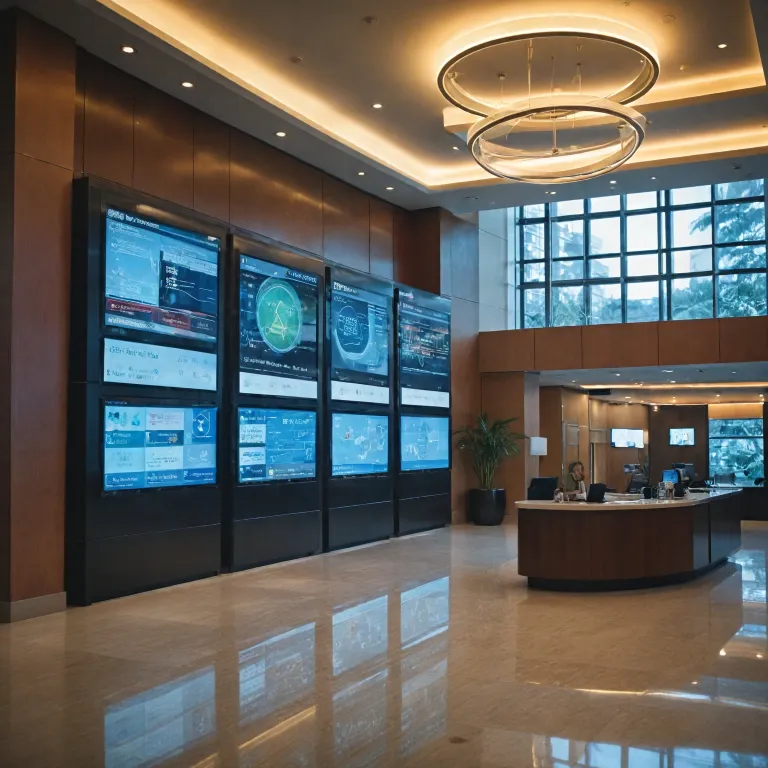
Elevating hotel performance with pms systems real-time occupancy revenue dashboards
In the hospitality industry, the integration of pms systems real-time occupancy revenue dashboards has become a cornerstone for operational excellence. These dashboards provide hotel managers and revenue managers with immediate access to key metrics such as occupancy rates, revenue, and guest satisfaction. By leveraging real-time data, hospitality businesses can make informed decisions that directly impact financial outcomes and guest experiences. The ability to monitor operational data in real time allows for swift adjustments to pricing strategies and room allocations, ensuring optimal revenue management. For channel managers and B2B sales directors, these systems offer a unified view of distribution channels, enabling more effective management of OTA, GDS, and wholesaler partnerships. The adoption of these dashboards is not limited to large hotel groups; independent hotels and boutique properties also benefit from enhanced visibility into their operations. As the hospitality industry faces increasing competition and fluctuating demand, the role of real-time dashboards in supporting dynamic pricing and operational agility cannot be overstated. The integration of AI and machine learning within these systems further refines forecasting and pricing strategies, driving profitability across all segments.
Data-driven decision making: The power of real-time insights for B2B sales and distribution
Data-driven decision making is at the heart of successful hotel management and B2B sales strategies. PMS systems real-time occupancy revenue dashboards empower distribution managers and channel managers with actionable insights, allowing them to respond quickly to market shifts. The seamless integration of real-time data from multiple sources—such as CRS, OTAs, and direct bookings—enables hospitality businesses to optimize their distribution mix and maximize revenue. These dashboards consolidate operational and financial data, presenting it in a user-friendly format that supports rapid decision making. For example, a sudden drop in occupancy rates can trigger immediate adjustments to pricing or promotional campaigns, minimizing revenue loss. The dashboards also facilitate collaboration between sales, marketing, and revenue management teams, ensuring that all stakeholders have access to the same real-time metrics. By adopting best practices in data management and dashboard utilization, hotels can achieve a significant increase in RevPAR and reduce booking errors. For those seeking to deepen their understanding of effective distribution strategies, resources like hotel channel management best practices provide valuable guidance. Ultimately, the ability to harness real-time insights is a competitive advantage in the fast-paced world of hospitality distribution.
Optimizing revenue management through dynamic pricing and operational agility
Revenue management in hospitality relies on the precise calibration of pricing strategies and operational efficiency. PMS systems real-time occupancy revenue dashboards are instrumental in enabling dynamic pricing, as they provide up-to-the-minute data on room availability, demand patterns, and competitor rates. This allows revenue managers to adjust pricing in real time, capturing incremental revenue during peak periods and stimulating demand during low occupancy. The dashboards also support operational agility by highlighting trends in guest preferences, booking channels, and ancillary revenue streams. With integrated management systems, hotels can automate routine tasks at the front desk and housekeeping, freeing staff to focus on guest satisfaction. The use of AI-driven analytics within these dashboards enhances forecasting accuracy, allowing for more effective resource allocation and inventory management. As a result, hospitality businesses can achieve better financial outcomes and improve guest experiences. For a comprehensive overview of how technology is reshaping hotel operations, visit hotel technology innovations. The synergy between real-time data, operational tools, and revenue management systems is transforming the way hotels compete and thrive in the global marketplace.
Enhancing guest satisfaction and operational excellence with real-time dashboards
Guest satisfaction is a critical metric for hospitality businesses, and pms systems real-time occupancy revenue dashboards play a pivotal role in achieving it. By providing real-time insights into guest preferences, booking behaviors, and service delivery, these dashboards enable hotels to personalize the guest experience. Operational teams can monitor key metrics such as check-in times, housekeeping efficiency, and guest feedback, ensuring that service standards are consistently met. The integration of real-time data into front desk operations allows for proactive management of guest requests and rapid resolution of issues. This not only enhances guest satisfaction but also contributes to positive reviews and repeat business. The dashboards also facilitate cross-departmental collaboration, as all teams have access to the same operational and financial data. This transparency supports a culture of continuous improvement and accountability. The result is a more responsive, efficient, and guest-centric hospitality operation.
Integrating pms systems with distribution channels for holistic management
The integration of PMS systems with distribution channels is essential for holistic hotel management. Real-time occupancy revenue dashboards serve as the central hub for monitoring and controlling all aspects of distribution, from OTAs and GDS to direct bookings and group sales. This unified approach enables channel managers to balance inventory across multiple platforms, preventing overbooking and maximizing occupancy rates. The dashboards provide granular visibility into channel performance, allowing for targeted adjustments to pricing and promotional strategies. Financial and operational data are synchronized in real time, supporting accurate forecasting and budget planning. The adoption of mobile applications and cloud-based management systems further enhances accessibility, enabling managers to monitor key metrics and make decisions from anywhere. As the hospitality industry continues to evolve, the ability to integrate and analyze data from diverse sources is a key differentiator. The use of AI and machine learning within these dashboards is driving innovation in distribution management, enabling hotels to anticipate market trends and respond proactively. This holistic approach ensures that hospitality businesses remain agile and competitive in a dynamic environment.
Best practices for implementing and leveraging real-time dashboards in hospitality businesses
Implementing pms systems real-time occupancy revenue dashboards requires a strategic approach and commitment to best practices. Training staff on dashboard features and data interpretation is essential for maximizing the value of these tools. Regular updates and maintenance ensure that dashboards remain accurate and relevant, reflecting the latest operational and financial data. Collaboration with PMS providers, data analytics companies, and IT consultants can facilitate seamless integration and customization to meet specific business needs. Hotels should establish clear protocols for data governance, ensuring the integrity and security of sensitive information. The adoption of AI-driven analytics and mobile accessibility further enhances the utility of dashboards, supporting real-time decision making and operational flexibility. As one expert notes, "They provide immediate insights into hotel performance, enabling quick adjustments to pricing and marketing strategies to maximize revenue." Another adds, "By offering up-to-date data on occupancy and revenue, they help in efficient resource allocation and enhance decision-making processes." Finally, "Yes, hotels of all sizes can leverage real-time dashboards to optimize operations and increase profitability." By following these best practices, hospitality businesses can unlock the full potential of real-time dashboards and achieve sustained success in a competitive market.
Key statistics on pms systems real-time occupancy revenue dashboards
- Increase in RevPAR with real-time dashboards: 10%
- Reduction in booking errors with integrated PMS: 20%
- Faster room turnover times with digital housekeeping workflows: 30%
Frequently asked questions about pms systems real-time occupancy revenue dashboards
What are the benefits of real-time occupancy and revenue dashboards in PMS?
They provide immediate insights into hotel performance, enabling quick adjustments to pricing and marketing strategies to maximize revenue.
How do real-time dashboards improve hotel operations?
By offering up-to-date data on occupancy and revenue, they help in efficient resource allocation and enhance decision-making processes.
Can small hotels benefit from implementing these dashboards?
Yes, hotels of all sizes can leverage real-time dashboards to optimize operations and increase profitability.
How does AI integration enhance the effectiveness of real-time dashboards?
AI and machine learning algorithms improve forecasting accuracy, optimize pricing strategies, and enable proactive management of occupancy and revenue.
What are best practices for training staff on dashboard usage?
Comprehensive training, regular updates, and cross-departmental collaboration are essential for ensuring staff can effectively utilize dashboard features and interpret data.
- linkedin.com
- amenitiz.com
- openai.com