From forgotten amenity to parity driver: why hotel hangers matter in B2B distribution
Hotel hangers look trivial, yet they sit at the crossroads of guest experience, cost control and B2B content performance. When a hotel standardizes each hanger type, from simple clothes hangers to heavy duty suit hanger models, it gains product level clarity that can be translated into structured content across CRS, OTA and GDS channels. That clarity becomes essential when you manage thousands of rooms, multiple brands and different hanger sku families across regions.
In most properties, hotel management, housekeeping and procurement rarely align on a single hanger strategy, which creates inconsistent guest experiences and confusing content for partners. A guest in a premium suite expects elegant wooden coat hangers with a solid suit bar, while a corporate traveler in a standard room may accept robust metal hangers with anti theft features. When these differences are not documented with precise starting details and sku starting references, channel managers cannot surface them correctly in rich content feeds.
Industry benchmarks from hotel operations handbooks and procurement surveys indicate that an average of around 10 hangers per hotel room are provided, and that the annual hanger loss rate in hotels often reaches about 10 to 20 percent depending on segment. For example, a 2023 internal benchmark by a European upper midscale chain reported 9.8 hangers per room on average and a 17 percent disappearance rate across 40 properties, while a North American select service group recorded roughly 11 hangers per room and a 12 percent annual loss in its 2022 purchasing review. This seemingly small percentage translates into significant replacement costs when multiplied by thousands of rooms and multiple hanger sku lines. For distribution leaders, that cost pressure should trigger a rethink of which hanger suit models, which anti theft hanger systems and which wood suit or metal hangers variants are truly aligned with brand positioning and B2B rate structures.
Structuring hanger content: from sku logic to parity ready attributes
To make hotel hangers work for parity and content management, you first need a clean taxonomy that your team can maintain across systems. Each hanger sku should be mapped to attributes such as material type, anti theft mechanism, presence of clips notches, and whether it is a combo hanger with a suit bar and hanger clips for skirts. This sku starting structure allows you to create consistent content objects that can be pushed via CRS and channel manager API connections to OTA, GDS, wholesalers and corporate booking tools.
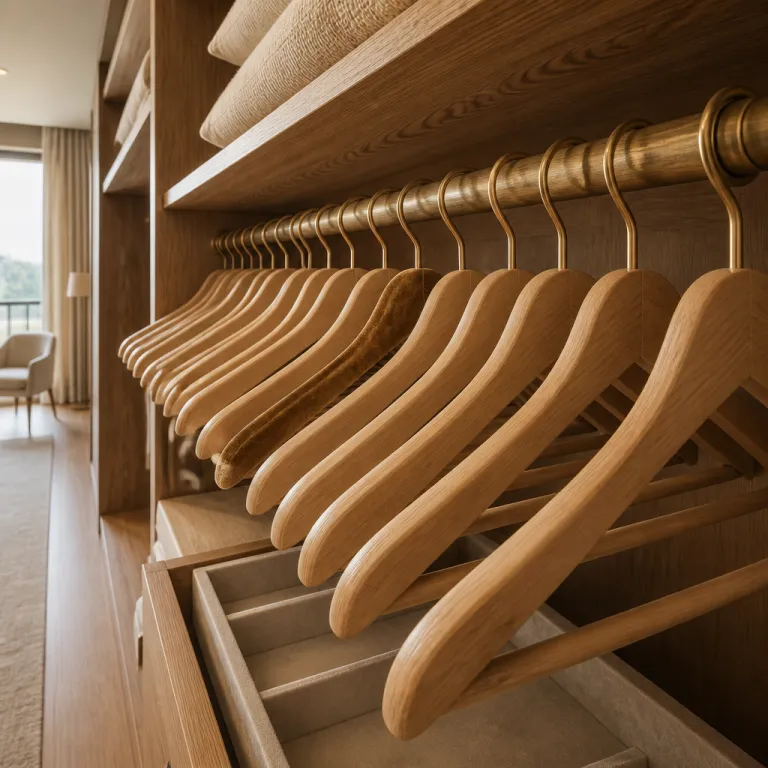
For example, a premium walnut wood suit hanger with a natural wood finish, bar notches and metal hanger clips for trousers can be defined as one sku, while a basic plastic coat hanger without notches becomes another. When you enrich each hanger sku with starting details like dimensions in centimetres, weight, anti theft hook type and expected lifetime, you can align procurement, housekeeping and distribution on a single source of truth. That same structure supports accurate parity checks, because you know exactly which room types include wooden hangers, which offer metal hangers only, and which provide a combo hanger set for long stay guests.
Rate parity audits increasingly require more than just comparing prices; they demand alignment between price, inclusions and tangible amenities. A detailed hanger content model helps revenue managers run a precise rate parity audit process that considers whether a corporate rate on a GDS includes premium wood suit hangers and free pressing, while an OTA rate only offers basic clothes hangers. When your hanger content is structured and synchronized, you reduce the risk that partners misrepresent room standards, which protects both ADR and guest satisfaction.
To operationalize this, many hotel groups now use a simple sku-to-attribute matrix inside their CRS or PIM. A typical table might include columns for sku code, material (wood, metal, plastic, combo), finish (natural wood, walnut wood, coloured), anti theft design (ring, pin, closed hook, none), functional features (suit bar, hanger clips, bar notches, clips notches), quantity per room type and target segment. Maintaining this checklist gives distribution teams a parity ready reference they can reuse in OTA content templates, GDS amenity lists and corporate RFP responses.
Anti theft hanger systems and their impact on rate and content parity
Anti theft hanger designs emerged when hotels realized that guests frequently removed coat hangers from closets, driving up replacement costs. Industry case studies and chain level audits consistently answer the question “Why do hotels use anti-theft hangers?” with the same conclusion: to prevent guests from taking hangers home and to stabilize amenity standards. When you choose an anti theft hanger system, you are not only protecting assets; you are also defining a visible element of the guest journey that must be reflected in B2B content and parity strategies.
Some brands opt for anti theft metal hangers with a fixed ring and a separate rail bar, while others prefer wooden anti theft hangers with a discreet hook that preserves aesthetics. These choices influence perceived value, especially in upper upscale and luxury segments where guests expect natural wood or walnut wood finishes rather than industrial metal hangers. If an OTA describes a room as featuring elegant wooden hotel hangers with a suit bar and clips, but the actual room offers only basic anti theft metal hangers, you create a content parity gap that can trigger complaints and compensation.
Rate parity itself is evolving, and identical prices no longer guarantee fairness between direct and indirect channels. Analyses of modern parity strategies show that amenity level differences, including hanger quality, can justify rate differentials. A direct channel package might highlight premium walnut wood suit hanger sets, free late checkout and complimentary pressing, while a wholesaler rate uses more basic clothes hangers and no extras. To defend these differences, your content must clearly specify hanger types, anti theft features and any combo hanger sets included in each room category.
One international upscale chain, for instance, piloted a switch from standard wooden hangers to ring based anti theft hangers in 15 city properties. Over 12 months, internal loss prevention reports showed a drop in hanger disappearance from 19 percent to 6 percent, while guest satisfaction scores remained stable after the change was documented in OTA and GDS descriptions. By explicitly stating “anti theft wooden hangers with suit bar and clips” in room content, the brand preserved perceived value, reduced disputes about amenity quality and supported a clearer link between rate level, hanger standard and channel promises.
Material choices, sustainability and how hanger content feeds B2B narratives
Material selection for hotel hangers is no longer a purely operational decision; it is a storytelling tool that distribution teams can leverage in B2B negotiations. Wooden hangers made from certified natural wood or walnut wood signal durability and environmental responsibility, especially when paired with eco friendly manufacturing and recycling programs. Metal hangers, by contrast, may emphasize robustness and heavy duty performance for high turnover urban hotels where theft and breakage rates are higher.
When you define each hanger sku, you should capture whether it is a wooden hanger, a metal hanger or a mixed combo hanger with a wood suit body and metal hanger clips. These details can be integrated into corporate RFP responses, where buyers increasingly ask for sustainability data and concrete examples of eco conscious amenities. A clear description such as “rooms feature natural wood coat hangers with notches for dresses, a suit bar for trousers and anti theft hooks” provides both operational clarity and marketing value.
Global chains that standardize on walnut wood suit hangers in executive floors can use this as a differentiator in B2B sales decks, especially for long stay corporate contracts. When you negotiate with TMCs, GDS partners or large accounts, being able to specify that every executive room includes a set of six clothes hangers, two dedicated suit hanger models and one heavy duty coat hanger for outerwear adds tangible value. That level of detail also supports internal analytics, because you can track hanger theft, replacement cycles and guest feedback by sku, then adjust procurement and content accordingly.
Operational data, theft control and the economics of hanger standardization
Hanger theft is often treated as an unavoidable cost, yet operational datasets from hotel groups remind us that properties can mitigate it through anti theft designs and regular maintenance. When you know that around 10 to 20 percent of hangers disappear annually in many portfolios, you can model the financial impact by hanger type, from basic plastic clothes hangers to premium walnut wood suit hangers. This analysis helps you decide where to deploy anti theft hanger systems and where standard coat hangers are sufficient.
Channel managers and distribution leaders should work with finance and housekeeping to create a simple hanger sku ledger that tracks purchases, room allocations and write offs. By linking each hanger sku to room types in the CRS, you can see whether suites with natural wood combo hanger sets experience higher theft than standard rooms with metal hangers. If the data shows that heavy duty wooden hangers with bar notches and clips notches are frequently removed, you might introduce a more discreet anti theft hook or shift those premium hangers to higher rated categories only.
These operational data points also influence B2B pricing strategies, because amenity costs must be reflected in rate fences and package design. A corporate contract that guarantees premium wood suit hangers, a full set of hanger clips for skirts and trousers, and free pressing can justify a slightly higher price point than a basic room only offer. When you communicate these details clearly in content feeds, you reduce disputes with partners and support a more transparent link between hanger quality, theft control measures and the final room price.
Translating hanger attributes into channel ready content and new distribution lanes
Once your hanger taxonomy is stable, the next challenge is to translate it into channel ready content that supports both parity and differentiation. Each room type in the CRS should reference specific hanger sku codes, indicating whether it includes wooden hangers, metal hangers, combo hanger sets or specialized suit hanger options. These structured attributes can then be mapped to OTA and GDS content fields, or used in custom descriptions for wholesalers and corporate portals.
As distribution expands beyond classic OTA and metasearch, new super app ecosystems and lifestyle platforms are emerging as a third distribution lane for hotels. In these environments, rich content about small amenities such as hotel hangers, coat hangers and clothes hangers can influence conversion, especially for fashion conscious or long stay guests. Industry commentary on super app strategies shows that granular content, including details about natural wood finishes, free pressing or free shipping for branded hangers, can become part of a broader lifestyle narrative.
Some hotel groups already sell branded hanger sets directly to guests, offering free shipping for certain regions and transparent price grids by hanger sku. In such cases, the same sku starting structure used for in room amenities supports e commerce, where guests can order a walnut wood suit hanger set, a heavy duty coat hanger or a travel friendly hanger suit combo. By aligning operational sku logic, B2B content and retail offers, hotels turn a simple hanger into a coherent touchpoint across channels, reinforcing both brand identity and distribution efficiency.
Key figures on hotel hangers, theft and amenity standards
- Industry data and procurement surveys indicate that an average hotel room is equipped with around 10 hangers, which means a 300 room property manages roughly 3 000 individual hanger units at any given time (chain level operating standards and 2022–2023 purchasing reviews from several international groups).
- Annual hanger loss rates in hotels are frequently estimated at about 10 to 20 percent, so a 300 room hotel may need to replace approximately 300 to 600 hangers per year to maintain its standard inventory (internal audits and loss prevention reports from midscale and upscale portfolios).
- Switching from basic plastic hangers to durable wooden hangers or metal hangers typically increases unit price, but the longer lifespan and lower breakage can offset the higher initial cost over several years (various procurement benchmarks and total cost of ownership analyses shared by global sourcing teams).
- Hotels that implement anti theft hanger systems often report a significant reduction in disappearance rates, which directly improves ROI on amenity investments and stabilizes room presentation standards (brand level pilot programs and property audits in city and airport locations).
FAQ about hotel hangers in B2B distribution and channel management
Why do hotels use anti theft hangers instead of standard hangers?
Hotels use anti theft hangers because a measurable share of standard hangers disappears every year, which creates recurring replacement costs. Anti theft systems reduce this theft while keeping hangers available and functional for guests. They also help maintain consistent room presentation, which is important for both guest satisfaction and accurate B2B content.
Can guests request more hangers in their hotel room, and should this appear in content?
Guests can usually request additional hangers by contacting housekeeping or the front desk, and this flexibility is part of the service promise. For B2B partners, it is useful to mention that extra coat hangers or suit hanger options are available on request, especially for long stay or corporate travelers. Clear communication reduces friction and ensures that expectations set in OTA or GDS descriptions match operational reality.
What types of hangers do hotels typically provide in different segments?
Most hotels offer a mix of wooden hangers, metal hangers and sometimes plastic hangers, depending on brand positioning and budget. Upscale and luxury properties tend to favor natural wood or walnut wood suit hangers with notches and a suit bar, while economy hotels may rely more on simple metal hangers with anti theft hooks. These choices should be reflected in room type descriptions so that B2B buyers understand the amenity level associated with each rate.
How should hanger information be integrated into CRS and channel manager systems?
Hanger information should be captured at sku level in the CRS, with attributes such as material, anti theft mechanism, presence of clips and notches, and quantity per room. Channel managers can then map these attributes to OTA and GDS content fields or use them in structured amenity lists. This approach supports better parity checks, clearer differentiation between room categories and more accurate responses to corporate RFPs.
Do hanger choices really influence B2B pricing and parity strategies?
Hanger choices influence pricing indirectly by shaping the overall amenity package and perceived value of each room type. When a rate includes premium wooden suit hangers, extra clothes hangers and services like pressing, it can justify a higher price than a basic room with minimal amenities. For parity management, documenting these differences helps explain rate variations between channels and reduces disputes with partners.