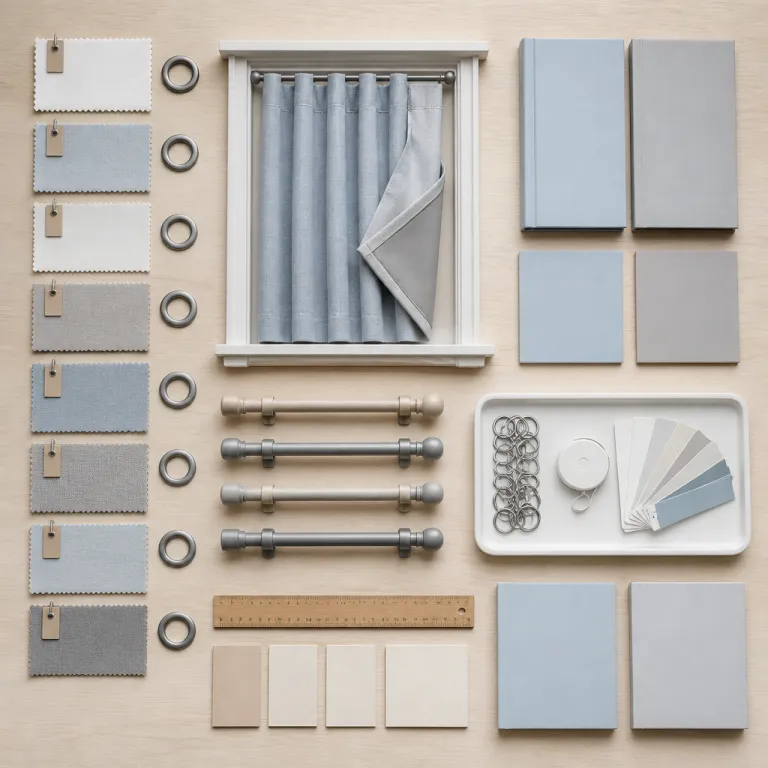
Hotel drapes as a distribution lever in the B2B product mix
For any hotel, drapes and curtains are no longer just décor. When hotel window treatments are treated as part of the B2B product strategy, they directly influence how a room is positioned, priced, and sold across channels. In a market where industry surveys from STR and J.D. Power suggest that more than 70% of midscale and upscale hotels already use blackout curtains in at least part of their inventory, the quality of each curtain and drapery becomes a tangible differentiator for distribution leaders.
Revenue managers and channel managers now package window treatments as attributes that online travel agencies can filter, from full hotel blackout solutions to partial light-filtering curtains. A standard room with basic window curtains competes in a different segment than a boutique suite with custom drapes, pinch-pleat hotel draperies, and certified blackout solutions for noise and light. This shift forces distribution teams to think of every window and wall as inventory-defining assets, not just elements of hospitality design.
Manufacturers such as County Draperies, National Hospitality, and Vanessa Curtain have industrialized custom drapery programs that align with B2B sales cycles. Their hotel curtains and hotel drapes are produced through standardized purchase orders, with clear lead times, price grids, and options for single-panel or center-draw configurations. For global groups, the fact that these suppliers ship consistently and offer free-shipping tiers on large orders can be integrated into long-term capital planning and distribution strategy, especially when annual procurement volumes are tracked at portfolio level.
From aesthetics to attributes: translating hotel drapes into channel ready content
Every curtain and drapery choice must now be translated into structured content that distribution channels can understand. When a hotel invests in custom hotel draperies with blackout liners, soundproofing, and fire resistance, these features should appear as searchable attributes on online travel agencies, global distribution systems, and corporate booking tools. Otherwise, the guest only sees a generic room and the distribution team loses a pricing and conversion advantage.
To do this well, channel managers need a taxonomy that distinguishes between standard curtains, full blackout curtains, and hybrid window treatments that manage both light and noise. A boutique property might promote its custom drapes and tailored collections as part of a wellness narrative, highlighting better sleep thanks to hotel blackout solutions and precise control of natural light. Larger chains can standardize wording for window curtains, center-draw systems, and single-panel options so that every room-type description is consistent across online travel agencies and corporate RFPs.
Video is becoming a powerful way to show how hotel curtains actually perform in real rooms. Distribution leaders who work with social platforms can use case studies such as how short form video turns views into hotel bookings to rethink how they present hotel drapes in B2B campaigns. A simple clip showing a guest drawing a curtain to achieve full blackout, or demonstrating the smooth center draw of a pinch-pleat drapery, can be repurposed for online travel agencies, travel management companies, and even media placements in global distribution systems.
Supply chain, shipping orders, and the hidden cost of poor window treatments
Behind every elegant curtain in a hotel room sits a complex supply chain that distribution leaders often underestimate. Hotel drapes typically have a lifespan of several years, which means that large groups must plan rolling replacement programs that align with brand standards and B2B sales commitments. When a boutique hotel or resort promises blackout drapes and fails to maintain them, the gap quickly appears in guest reviews and corporate satisfaction scores, often dragging overall ratings down by 0.1–0.3 points on major platforms according to internal benchmarking shared by several chains.
Manufacturers such as County Draperies and Vanessa Curtain now structure their purchase orders and logistics to support multi-property rollouts. They ship bulk hotel curtains and custom drapes with clear documentation on fire resistance, fabric composition, and care, which is essential for global brands operating under strict safety regulations. Some suppliers also offer free-shipping thresholds, which can reduce the effective price per room when a group synchronizes orders across several hotels.
For distribution and B2B sales, the key is to connect these operational realities with commercial promises. If a chain commits to hotel blackout standards in all corporate contracts, then channel managers must track where blackout curtains and high-performance draperies are installed, where window treatments are only partial, and where a curtain or track is due for replacement. Trade fairs such as Vakantiebeurs in Utrecht, which shape the Dutch travel industry ecosystem for B2B hospitality distribution and are analysed in depth through ecosystem focused reports, are increasingly places where these operational topics meet distribution strategy.
Pricing power and value perception: how hotel drapes influence rate strategy
Guests rarely book a room because of curtains alone, yet they quickly notice when hotel drapes fail. A poorly lined curtain that leaks light undermines the promise of a premium room and erodes the perceived value of the price paid. Conversely, a well-designed drapery system with full blackout, good acoustic absorption, and harmonious colors can justify higher average daily rates in both leisure and corporate segments.
Distribution leaders should therefore treat window treatments as part of the rate-fence architecture. A standard room with basic window curtains and no hotel blackout capability belongs in a different price band than a renovated floor with custom drapes, pinch-pleat hotel draperies, and center-draw tracks that operate silently. When a boutique hotel invests in design-led curtains that match the wall art and furniture, the added perceived luxury can support upsell strategies on online travel agencies and direct B2B channels.
To operationalize this, revenue managers can tag room types according to drapery quality and blackout performance. Rooms with full blackout curtains and high-performance hotel drapes can be bundled into sleep-focused packages, while others remain in entry-level categories. In one internal case study from a European urban hotel, reclassifying 40% of rooms with upgraded blackout drapes and promoting them as “sleep-optimized” increased ADR on those units by 6–8% over six months while maintaining stable occupancy, illustrating how granular product definition, down to elements like hotel curtains and window treatments, is essential for sustained pricing power.
Design, brand standards, and the role of manufacturers in B2B sales
Hospitality design has moved far beyond choosing a fabric swatch for a curtain. Interior designers, brand teams, and manufacturers now collaborate from the earliest design phase to ensure that hotel drapes align with both aesthetics and operational constraints. Methods range from fully custom draperies for flagship properties to standardized made-to-measure programs for midscale brands that need predictable price points and reliable shipping.
Suppliers such as National Hospitality provide hotel draperies with integrated blackout liners, while Vanessa Curtain specializes in high-performance hotel curtains that balance light control and durability. County Draperies focuses on custom drapes and drapery solutions for large hotel groups, using sewing machines, fabric cutters, and precise measuring tools to deliver consistent window treatments at scale. These partners help hotels choose fabrics such as polyester, linen, velvet, or cotton, often adding fire-resistant treatments and soundproofing layers to meet safety and comfort standards.
As one industry guideline from hotel buyer associations puts it, “Choose hotels with blackout drapes for better sleep. Check for fire-resistant certifications in hotel drapes. Opt for accommodations with soundproof drapes in noisy areas.” For B2B sales teams, this means that every curtain, from a single panel in a compact room to a full wall-to-wall drapery in a suite, becomes part of the brand promise. When these elements are clearly documented and communicated, they strengthen the authority of the brand in corporate RFPs and trade negotiations.
Operational excellence: maintaining hotel drapes across global portfolios
Once installed, hotel drapes enter a long operational cycle that directly affects guest satisfaction and distribution performance. The typical lifespan of hotel drapes is often estimated at around five years, but this figure assumes regular maintenance, proper cleaning, and timely replacement of damaged curtain tracks or fabrics. Without a structured program, even the best custom draperies quickly lose their blackout performance and visual appeal.
Global groups increasingly treat window treatments as assets tracked in their property-management and maintenance systems. Each room is tagged with the type of drapery, whether it uses blackout curtains or lighter curtains, and whether the configuration is center draw or single panel. This data helps plan purchase orders with manufacturers, optimize shipping costs, and negotiate free-shipping thresholds for large batches of hotel curtains and hotel drapes.
For distribution leaders, the operational status of curtains and drapes is not a back-of-house detail. A guest who cannot fully draw a curtain or who wakes up because of poor blackout performance is more likely to leave negative reviews on online travel agencies and corporate feedback platforms. By aligning maintenance cycles, shipping schedules, and replacement budgets with B2B sales commitments, hotel groups ensure that every window and wall continues to support, rather than undermine, their distribution strategy.
Key figures on hotel drapes and their impact
- Industry surveys from STR and J.D. Power indicate that a large share of hotels use blackout drapes or blackout curtains in at least part of their inventory, with penetration often exceeding 70% in upper-midscale and upscale segments, which reflects the strong link between light control and guest sleep quality.
- The average lifespan of hotel drapes is often estimated at around five years under normal usage and maintenance, so large groups must plan rolling replacement programs to avoid sudden capital-expenditure spikes.
- Hotels that invest in high-quality blackout window treatments frequently report higher guest satisfaction scores related to sleep, with internal post-stay surveys in several chains showing 5–10% fewer complaints about noise and light after upgrades, which supports higher achievable price points in competitive urban markets.
- Manufacturers report growing demand for fire-resistant and sound-absorbing blackout solutions, driven by stricter safety regulations and rising expectations from corporate travel buyers.
- Eco-friendly fabrics for curtains and drapes, such as recycled polyester blends and solution-dyed yarns, are gaining share in new-build and renovation projects, as hotel brands align their hospitality design with sustainability commitments.
FAQ about hotel drapes in B2B hospitality distribution
What materials are most common for hotel drapes in professional projects ?
Polyester, linen, velvet, and cotton are the most common materials for hotel drapes, because they balance durability, maintenance needs, and aesthetic flexibility. Polyester blends dominate in high-traffic hotels due to their resistance to fading and wrinkling. Linen, velvet, and cotton are often used in boutique properties where texture and visual richness support higher room prices.
Why do so many hotels use blackout drapes and blackout curtains ?
Hotels use blackout drapes primarily to block external light and improve sleep quality for guests. This is especially critical in urban locations with strong street lighting or in airport hotels where guests sleep at irregular hours. Better sleep experiences translate into higher satisfaction scores, which directly support B2B rate negotiations and distribution performance.
Are hotel drapes usually fire resistant in professional environments ?
Many hotel drapes are treated to meet local fire safety standards, especially in branded properties and large groups. Fire-resistant treatments are often mandatory for curtains and draperies in public areas and guest rooms, and certificates are kept on file for inspections. Distribution and B2B sales teams should be aware of these specifications, as corporate buyers increasingly ask about safety compliance.
How often should hotel groups replace their curtains and window treatments ?
With normal use and proper maintenance, hotel drapes typically last around five years before they need replacement. High humidity, intense sunlight, or heavy usage can shorten this duration, particularly for lighter fabrics. Many groups therefore plan staggered replacement programs, aligning new orders with renovation cycles and brand refresh initiatives.
How can hotel drapes be leveraged in B2B sales and distribution conversations ?
Hotel drapes can be positioned as part of the comfort and wellness promise in corporate RFPs and online content. By specifying blackout capability, sound absorption, and design quality, hotels can justify higher rates and differentiate their rooms from competitors. Clear documentation of curtain specifications, from custom drapes to standard window curtains, also builds trust with travel managers and distribution partners.