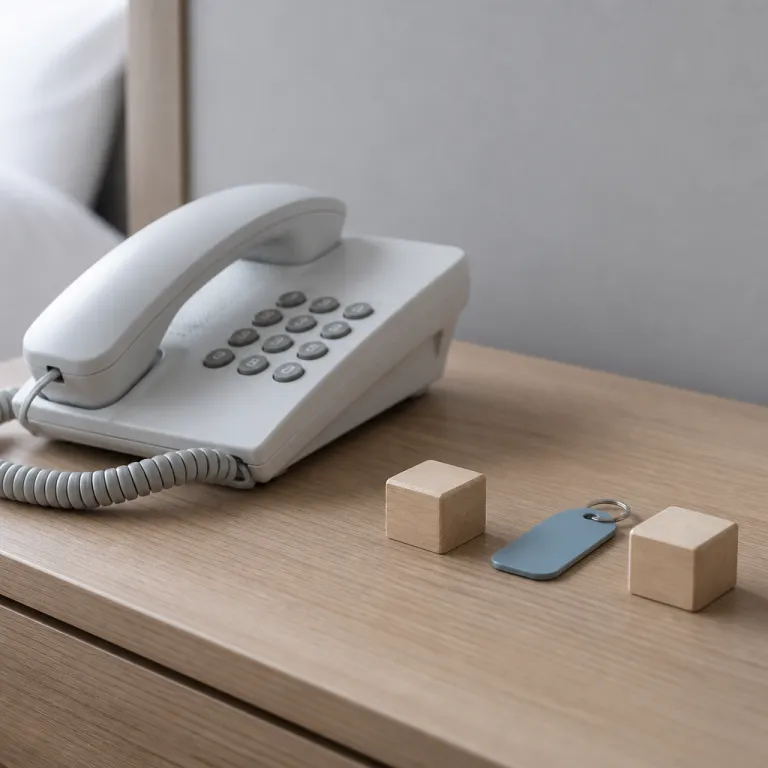
The hotel room phone as a strategic B2B touchpoint
Every hotel room phone sitting quietly on a bedside table is a live distribution node. That single device in each guest room connects your property to internal services, external partners, and emergency networks, while your channel mix silently depends on how that communication is routed. When you treat these room telephones as part of a wider hospitality communications platform rather than a legacy accessory, they become measurable assets in your B2B sales strategy.
Across full service hotels, the in room telephone is still the most intuitive device for a stressed guest who has just checked in. Many travelers will not open the app or scan a QR code, yet they will instinctively lift the corded handset and use speed dial keys to reach the front desk or room service. Industry research from Hotel Management’s “Guestroom Technology Usage Trends” (2023, hotelmanagement.net) and the STR / CoStar “Hospitality Industry Report 2022” (hospitalitynet.org) indicates that roughly three quarters of guests use the room phone for services and place around three calls per stay. Both sources base their findings on multi-country samples of branded full service hotels, with call volumes captured via PBX logs and guest surveys. That level of engagement should matter to every responsible distribution and channel manager.
From a distribution perspective, each hotel room phone call is a micro moment that can either reinforce direct relationships or push guests back toward indirect channels. When a guest uses the analog phone or a digital lobby handset to ask about late checkout, upgrade to a higher room category, or book a future stay, you are effectively converting through your own telephony infrastructure instead of an OTA. The more your hotel phones are integrated with your CRM, PBX, and revenue tools, the more those calls become structured B2B data rather than untracked noise.
Many groups still run a fragmented mix of analog corded devices, basic landline sets, and isolated PBX platforms. In such hotels, the guest room phone is treated as a compliance item, not a revenue lever, and the price of that neglect is invisible leakage toward indirect partners. By contrast, when a hotel phone system is unified across guest room, lobby phone, and back office, distribution leaders can learn which products and services are most requested by phone and adjust both direct and indirect offers accordingly.
The physical design of room telephones also plays a role in guest behavior and therefore in channel outcomes. A clearly printed faceplate with branded speed dial keys for reservations, loyalty, and corporate sales nudges guests to call the hotel directly instead of searching for an OTA on their mobile phones. Even a simple black corded telephone with intuitive labeling can shift behavior, especially when combined with free in house calls and transparent external call price information.
In many markets, regulations still require a reliable landline style room phone for emergency calls, which keeps analog phone hardware relevant. The most advanced hospitality products now combine analog corded reliability with USB charging ports, VoIP capability, and integration to cloud phone systems, so the guest sees a single elegant device while your distribution team sees a connected data source. For B2B sales directors, that means the humble room phone is no longer just a cost center but a controllable, measurable part of the direct versus indirect sales equation.
Direct versus indirect sales: what the room phone reveals
When you map the full guest journey, the hotel room phone exposes where direct sales are strong and where indirect partners still dominate. A guest who booked through an OTA but uses the room phone repeatedly for services, upgrades, and future stay enquiries is signaling a willingness to shift toward direct channels. That signal is only captured if your phone system is integrated with your CRS, PMS, and B2B sales stack.
Many distribution leaders still focus their direct versus indirect analysis on web traffic, booking engine conversion, and GDS share. They rarely look at call logs from hotel phones, segmented by room, booking source, and corporate account, even though those calls often precede or follow a booking decision. When around 75% of guests use room phones for services and average three calls per stay (Hotel Management, 2023; STR / CoStar Hospitality Industry Report, 2022), ignoring that data means ignoring a large part of the real distribution picture.
Direct calls from a guest room to reservations or sales are often the most profitable transactions in the building. The cost of acquisition is low, the upsell rate is high, and the conversation can steer the guest away from future OTA dependency, especially when the agent can quote a compelling price and value proposition. Indirect channels like OTAs, GDS, and wholesalers remain essential, but the hotel room phone can quietly rebalance the mix toward direct if you design the process correctly.
To do that, your PBX or cloud phone system must be able to identify the room, match the caller to a profile, and push that context to your CRM in real time. When a guest calls from a specific hotel room, the agent should instantly see whether this is a high value corporate traveler, a wholesale allotment booking, or a repeat leisure guest. That context allows the agent to tailor offers, protect rate parity, and respect B2B agreements while still nudging toward direct rebooking.
Indirect partners can also benefit when phone systems are transparent and data rich. For example, if a wholesaler consistently sends guests who generate high ancillary revenue via room telephones, that partner deserves differentiated B2B conditions even if their initial room price is lower. This is where first party data as the new distribution currency becomes critical, and you can align your phone data strategy with broader initiatives described in resources about first party data as the new distribution currency.
In practice, the choice is not between direct and indirect but about orchestrating both around the guest room phone as a live feedback channel. Hotels that treat phone calls as structured signals can renegotiate OTA and GDS contracts with confidence, because they understand the full value chain from initial booking to in stay communication. Those that still see the analog telephone as a sunk cost will continue to overpay for indirect demand while underutilizing one of the most trusted devices in the room.
From analog corded sets to smart phone systems
The evolution from a simple analog corded handset to a fully integrated hotel phone system mirrors the shift in B2B distribution strategy. Early landline devices in each hotel room were essentially isolated telephones, designed only for internal calls and expensive external dialing. Today, modern phone systems can route calls intelligently, capture detailed data, and integrate with cloud based CRS and booking engines.
Many hotel groups still operate a mixed estate of analog phone hardware, digital PBX platforms, and newer VoIP solutions. This hybrid reality creates operational friction, inconsistent guest experiences, and blind spots in distribution analytics, especially when room telephones in older wings cannot report usage data. Upgrading to a unified phone system is not just an IT project; it is a distribution decision that affects how you manage direct and indirect sales.
Vendors now offer hospitality specific products that combine the reliability of a corded phone with the flexibility of IP technology. A typical device might be a black corded telephone with a customizable faceplate, USB charging ports, and programmable speed dial keys for reservations, loyalty, and concierge. Some brands, such as VTech hospitality phones (VTech Communications, “Hospitality Solutions,” 2023, vtechhotelphones.com, based on product documentation and case examples), focus on low maintenance analog corded reliability, while others emphasize deep integration with cloud PBX and CRM platforms.
For channel managers, the key is not the color of the handset but the intelligence of the system behind it. A modern hotel phone platform should allow you to define routing rules by room type, rate code, or corporate account, so that high value calls reach the right sales or service team instantly. It should also expose APIs so that call events from room phones can trigger workflows in your CRS, revenue management system, or marketing automation tools.
When you integrate your hotel room phone infrastructure with your booking engine, you can create a seamless loop between online and offline channels. A guest who abandons a web session but then calls from a lobby phone or guest room can be recognized, quoted the same price, and encouraged to complete the booking directly, as described in best practices for maximizing direct bookings through seamless booking engine integration. This alignment reduces friction, protects rate integrity, and strengthens your direct sales narrative.
Even when you retain analog phone lines for regulatory or cost reasons, you can still layer intelligence on top. Call accounting tools can tag each room phone call with booking source, segment, and outcome, turning a basic analog phone into a measurable distribution touchpoint. The investment is modest compared with the commissions paid to OTAs and wholesalers, yet the impact on direct versus indirect balance can be significant over time.
Designing the guest journey around the room telephone
Guest behavior around the hotel room phone follows predictable patterns that you can design for. Most guests will use the room phone for quick access to hotel services, especially front desk, housekeeping, and room service, because the device is visible and requires no learning curve. That is why the guidance to “Use the room phone for quick access to hotel services.” remains operationally relevant.
From a distribution standpoint, every one of those calls is a chance to reinforce your direct relationship with the guest. When a caller requests a wake up call, asks about late checkout, or books a spa treatment, your team can subtly position direct booking benefits for the next stay. Over time, this consistent messaging through room telephones reduces dependency on indirect channels without any aggressive upselling.
The physical layout and labeling of the hotel room phone strongly influence call patterns. A clean faceplate with clearly marked speed dial keys for reservations, loyalty, and emergency services encourages guests to use the phone confidently, while cluttered or faded labels suppress usage. Investing in high quality faceplates and intuitive button layouts is a low cost way to increase engagement with your phone systems and, by extension, your direct sales channels.
Safety remains a non negotiable dimension of the guest journey. Guests are advised to “Familiarize yourself with emergency call procedures.” and “Check for additional features like wake up calls.” because the hotel room phone is still the fastest way to reach help in a crisis. For distribution leaders, this safety role justifies maintaining robust landline or analog phone capability even as you roll out apps and digital concierges.
Modern devices that combine analog corded reliability with USB charging and VoIP connectivity can support both safety and sales. A black corded phone with integrated USB charging on the bedside table becomes the natural place where the guest charges a mobile, checks messages, and notices the speed dial key for direct reservations. That subtle integration of hardware and habit is far more powerful than a banner ad on an OTA page.
Lobby phone placement also shapes the guest journey between direct and indirect channels. A well positioned lobby phone near the reception or concierge desk can capture walk in enquiries, corporate travel questions, and group requests that might otherwise drift to online intermediaries. When those lobby phone calls are routed through the same intelligent phone system as guest room calls, your B2B sales team gains a unified view of how guests move between physical and digital touchpoints.
Pricing, hardware choices, and the hidden cost of neglect
Budget discussions about hotel room phone hardware often focus narrowly on unit price and shipping terms. Procurement teams compare analog phone models, negotiate free shipping or shipping free thresholds, and decide whether to standardize on a single black corded telephone across all hotels. While these decisions matter, they only capture a fraction of the true cost and value of room phones.
The real financial impact lies in how phone systems influence direct versus indirect revenue. A slightly higher price for a hospitality specific corded phone with programmable speed dial keys and a durable faceplate can pay for itself quickly through incremental direct bookings and upsells. By contrast, choosing the cheapest analog corded handset with poor labeling and no integration can quietly increase your reliance on OTAs and wholesalers.
When evaluating products such as VTech hospitality models or other guestroom telephones, distribution leaders should sit alongside IT and operations. The question is not only whether the telephone is robust and easy to clean, but whether it can integrate with your PBX, CRM, and call accounting tools. A hotel phone that cannot feed data into your distribution analytics is effectively more expensive, regardless of its initial price or attractive free shipping offer.
Groups that centralize procurement across multiple hotels can negotiate better terms on room telephones, lobby phone units, and back office phones. However, standardization should not mean freezing technology; it should mean defining a minimum capability set that supports your B2B strategy, including caller identification by room, support for USB charging, and compatibility with your chosen phone system. This approach ensures that every new hotel room phone installed contributes to a coherent, data rich infrastructure.
Ignoring the strategic role of phone systems can also create compliance and safety risks. Regulations in many destinations still require a functioning landline style room phone with direct access to emergency services, and failure to maintain that capability can expose hotels to legal and reputational damage. In that context, the marginal cost difference between basic analog phone units and modern hospitality devices is negligible compared with the potential downside.
For B2B sales directors, the message is clear: treat the hotel room phone as part of your distribution capital expenditure, not just an operational line item. When you align hardware choices, price negotiations, and shipping logistics with your broader channel strategy, you transform phones from silent costs into active contributors to direct revenue. Over a multi year replacement cycle, that mindset shift can generate far more value than any single OTA commission renegotiation.
Aligning phone data with B2B distribution and channel strategy
Phone data is often the missing layer in sophisticated B2B distribution strategies. Channel managers track web sessions, GDS bookings, and wholesale allotments in detail, yet they rarely analyze how many calls each hotel room phone generates, what services are requested, and how those interactions correlate with booking channels. This blind spot persists even though integrated hotel phone systems can now expose granular, room level data.
When you connect your PBX or cloud phone system to your CRS and data warehouse, every call from a guest room or lobby phone becomes a structured event. You can see whether OTA guests use room phones more often than direct bookers, whether corporate travelers call to extend stays, and which hotels convert the most phone enquiries into direct rebookings. That insight allows distribution managers to refine channel mix by segment and by property, rather than relying on averages.
Phone data also enriches your understanding of ancillary revenue. If a particular hotel consistently generates high spa or restaurant revenue from room telephones, you can adjust B2B agreements with wholesalers and corporate clients to reflect that total value. Conversely, if certain channels send guests who rarely engage by phone or on property, you may decide to renegotiate commissions or shift inventory toward more profitable partners.
Strategically, this is where distribution leaders should align phone analytics with broader channel optimization frameworks. Resources that examine how luxury vacation rental pricing factors reshape B2B distribution and channel strategy, such as the analysis available on how pricing factors reshape B2B distribution and channel strategy, can inspire similar thinking around telephony. The principle is the same: use granular, first party data to understand true profitability by channel, not just top line volume.
Operationally, training is essential to turn hotel phones into effective distribution tools. Front desk and reservations teams must learn to handle calls from room phones as opportunities to strengthen direct relationships, not just to solve immediate problems. Scripts should respect B2B rate agreements while still positioning direct booking benefits, loyalty enrollment, and future stay offers whenever appropriate.
Finally, governance matters. Clear policies on data retention, privacy, and consent are required when you log and analyze calls from guest room phones, especially in regions with strict data protection laws. When handled correctly, though, the combination of robust phone systems, disciplined analytics, and thoughtful B2B strategy turns the hotel room phone into a quiet but powerful ally in the ongoing balance between direct and indirect sales.
Key figures and operational benchmarks for hotel room phones
- Across a broad sample of full service properties, approximately 75% of guests use room phones for services during their stay, according to Hotel Management’s “Guestroom Technology Usage Trends” (2023, hotelmanagement.net) and the STR / CoStar Hospitality Industry Report 2022 (hospitalitynet.org), which confirms that in room telephones remain highly relevant despite the rise of mobile apps.
- The average number of calls per guest per stay is around three, based on the same Hospitality Industry Report 2022, indicating multiple opportunities per stay to influence satisfaction, safety, and future booking behavior through the hotel room phone.
- Internal calls to hotel services are typically free for guests, while external and especially international calls often incur charges, which means transparent communication about price on the faceplate and in room collateral is essential to maintain trust.
- Integration with smart room controls and VoIP technology is now standard in many new build hotels, allowing phone systems to interact with lighting, climate, and entertainment, which in turn creates richer data for distribution and channel managers.
- Properties that route all emergency calls through a dedicated PBX pathway from each guest room phone can reduce response times significantly compared with mobile only setups, reinforcing the safety case for maintaining robust landline style telephones.
To illustrate the commercial impact, consider a 250 room city hotel that logs an average of three service calls per stay from 70% of occupied rooms. If just 5% of those calls convert into a direct rebooking worth $220 in net room revenue, and a further 10% generate $30 in ancillary spend, the annual impact is substantial:
| Metric | Value (annual) |
|---|---|
| Service calls from room phones | ~57,000 |
| Direct rebookings via phone (5%) | 2,850 stays |
| Net room revenue from rebookings | ≈ $627,000 |
| Ancillary revenue from calls (10%) | ≈ $171,000 |
| Total incremental revenue influenced by phones | ≈ $798,000 |
These figures are based on a simple methodology: annual occupied room nights multiplied by the share of rooms using the phone, multiplied by calls per stay, then applying conservative conversion rates for rebookings and ancillary sales. Even if the assumptions are adjusted downward, the order of magnitude shows why treating the hotel room phone as a strategic distribution asset rather than a sunk cost can materially change the economics of direct versus indirect sales.
FAQ about hotel room phones and B2B distribution
What services can guests access through the hotel room phone?
Guests can typically reach the front desk, room service, housekeeping, maintenance, and emergency services directly from the hotel room phone. Many hotels also program speed dial keys for concierge, spa, and reservations, turning the room telephone into a central hub for both service and sales. In integrated phone systems, these calls are logged and can inform distribution and B2B strategy.
Are hotel room phones free for guests to use?
Calls from a guest room phone to internal hotel services are usually free, and many properties also offer free local calls as part of their value proposition. External national and international calls often carry a price markup, which should be clearly indicated on the faceplate or in room information. Transparent communication about which calls are free protects guest satisfaction and avoids disputes at checkout.
Can guests use the hotel room phone for international calls?
Most hotels allow international calls from room telephones, routed through the PBX or cloud phone system. These calls typically incur higher charges than domestic calls, reflecting carrier costs and hotel pricing policies. Clear instructions on how to dial and what price applies help guests make informed decisions and reduce pressure on front desk teams.
How does the hotel room phone support safety and compliance?
The hotel room phone provides a direct, reliable line to emergency services and on site security, which is critical when mobile networks fail or guests do not have a working mobile phone. Many jurisdictions require a functioning landline style telephone in each guest room with clearly documented emergency procedures. This safety role justifies ongoing investment in robust analog or hybrid phone systems even as digital channels expand.
Why should distribution and B2B sales teams care about phone data?
Phone data reveals how guests behave during their stay, which channels send the most engaged visitors, and where upsell and rebooking opportunities arise. When integrated with CRS and CRM platforms, call logs from guest room phones and lobby phones become a rich source of first party data that can inform channel mix, pricing, and partner negotiations. Ignoring this data leaves a significant part of the guest journey invisible to distribution and B2B sales leaders.