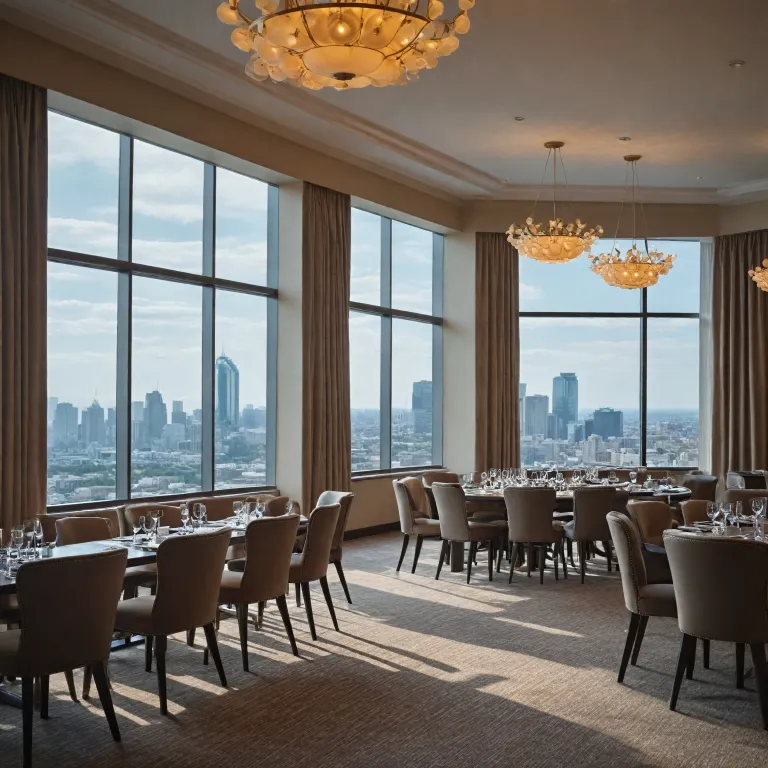
Understanding the dynamics of hotel sales techniques for groups
Hotel sales techniques for groups require a nuanced approach that balances the needs of event planners, group organizers, and the hotel’s business objectives. Sales professionals must create tailored proposals that address the unique requirements of each group, ensuring that both the booking process and guest experience are seamless. By leveraging data-driven insights, hotels can refine their sales strategies, optimize rates, and enhance the overall value proposition for group bookings.
Group business is a cornerstone of revenue generation for hotels, especially when managed with a robust sales strategy. The integration of dynamic pricing models and real-time availability updates helps hotels respond quickly to event planners’ requests, improving the likelihood of securing bookings. Sales managers who understand the importance of local partnerships with businesses and attractions can create compelling packages that appeal to both guests and planners, driving repeat business and strengthening the hotel’s reputation in the group sales market.
To maximize group bookings, hotels must focus on the entire sales funnel, from initial inquiry to post-event follow-up. Utilizing CRM systems and social media channels, sales teams can nurture relationships, track leads, and convert interest into confirmed bookings. The ability to provide flexible booking policies and virtual tours further enhances the guest experience, setting the hotel apart from competitors in the group business segment.
Personalization and technology: transforming the group booking process
Personalization is at the heart of effective hotel sales techniques for groups, allowing sales teams to create bespoke experiences that resonate with event planners and guests. By harnessing data-driven tools, hotels can analyze past group bookings, identify trends, and anticipate the needs of future clients. This approach enables sales managers to offer targeted packages, adjust rates dynamically, and streamline the booking process for group business.
Technology plays a pivotal role in enhancing the efficiency of group sales. The adoption of CRM systems, email marketing platforms, and social media marketing allows hotels to maintain real-time communication with planners and local businesses. Integrating virtual reality site inspections and AI-powered personalization further elevates the guest experience, making it easier for planners to visualize events and make informed decisions.
Sales strategies that prioritize proactive follow-ups and personalized proposals are proven to increase group bookings. According to the dataset, “Effective techniques include personalized proposals, proactive follow-ups, leveraging digital marketing, and building partnerships with local businesses.” This quote underscores the importance of combining technology with human-centric sales strategies to achieve optimal results. For more insights on leveraging technology in hospitality sales, explore this comprehensive guide to digital transformation in hotel sales.
Building partnerships with local businesses to enhance group sales
Collaboration with local businesses is a powerful strategy for hotels aiming to boost group bookings and create memorable event experiences. By partnering with transportation providers, attractions, and restaurants, hotels can offer bundled services that add value for event planners and guests. These partnerships not only enhance the guest experience but also help hotels differentiate their offerings in a competitive market.
Sales managers should actively seek opportunities to co-create packages with local businesses, leveraging their unique strengths to attract diverse group clientele. For instance, offering exclusive access to local events or discounted rates at nearby attractions can make a hotel’s group sales proposition more appealing. Such collaborations also foster repeat business, as planners and guests are more likely to return to hotels that provide comprehensive, hassle-free solutions.
Data-driven decision-making is essential when evaluating the success of these partnerships. By tracking the impact of bundled services on group bookings and revenue, hotels can refine their sales strategies and focus on the most effective collaborations. For a deeper dive into partnership-driven sales strategies, visit our resource on local business integration in hospitality sales.
Optimizing sales funnels and marketing strategies for group bookings
A well-structured sales funnel is critical for converting group inquiries into confirmed bookings. Sales teams must guide event planners through each stage of the booking process, from initial contact to contract signing and event execution. By utilizing data-driven insights, hotels can identify bottlenecks in the sales funnel and implement targeted interventions to improve conversion rates.
Sales marketing efforts should focus on building brand awareness and engaging potential clients through multiple channels. Social media platforms, digital advertising, and content marketing are effective tools for reaching event planners and promoting the hotel’s group sales capabilities. Dynamic pricing strategies and real-time availability updates further enhance the hotel’s competitiveness, enabling sales managers to respond quickly to market changes and client demands.
Hotels that prioritize guest experience throughout the sales process are more likely to secure repeat business and positive referrals. By offering flexible booking policies, personalized proposals, and proactive communication, sales teams can build trust with planners and ensure successful events.
Leveraging data-driven insights for revenue optimization in group business
Data-driven strategies are transforming the way hotels approach group sales and revenue management. By analyzing historical booking data, market trends, and guest preferences, sales managers can develop targeted sales strategies that maximize revenue and occupancy. Dynamic pricing models enable hotels to adjust rates in real time, ensuring competitiveness while protecting profit margins.
CRM systems and advanced analytics tools provide valuable insights into the behavior of event planners and group organizers. This information allows sales teams to tailor their outreach, create personalized proposals, and anticipate the needs of different segments within the group business market. The integration of AI and machine learning further enhances the accuracy of sales forecasts and the effectiveness of marketing campaigns.
Hotels that embrace data-driven decision-making are better positioned to attract high-value group bookings and foster long-term relationships with planners. By continuously monitoring performance metrics and adjusting sales strategies accordingly, hotels can achieve sustainable revenue growth and maintain a strong market presence in the group sales sector.
Enhancing guest experience and fostering repeat business through strategic group sales
The guest experience is a critical factor in the success of hotel sales techniques for groups. Sales teams must ensure that every aspect of the group booking process, from initial inquiry to post-event follow-up, is designed to exceed expectations. By offering tailored packages, flexible booking options, and personalized service, hotels can create memorable experiences that encourage repeat business.
Event planners value hotels that provide seamless coordination, transparent communication, and innovative solutions for their events. The use of virtual tours, real-time updates, and proactive support helps build trust and confidence among planners and guests. As noted in the dataset, “Hotels can attract more group bookings by offering tailored packages, flexible booking policies, and highlighting unique selling points.”
Fostering repeat business requires a commitment to continuous improvement and a willingness to adapt sales strategies based on feedback and performance data. By prioritizing guest satisfaction and leveraging the latest sales and marketing techniques, hotels can establish themselves as preferred partners for group events and secure a steady stream of group bookings.
Key statistics on hotel sales techniques for groups
- Increase in group bookings with personalized proposals: 20% (BC Hotel Association)
- Revenue growth from digital marketing strategies: 15% (Cvent Blog)
Frequently asked questions about hotel sales techniques for groups
What are effective hotel sales techniques for groups?
Effective techniques include personalized proposals, proactive follow-ups, leveraging digital marketing, and building partnerships with local businesses.
How can hotels attract more group bookings?
Hotels can attract more group bookings by offering tailored packages, flexible booking policies, and highlighting unique selling points.
What role does digital marketing play in hotel group sales?
Digital marketing enhances visibility, engages potential clients, and drives group bookings through targeted campaigns and online presence.
Trusted sources for hotel sales techniques for groups
- https://www.cvent.com
- https://www.hospitalitynet.org
- https://www.hotelnewsnow.com