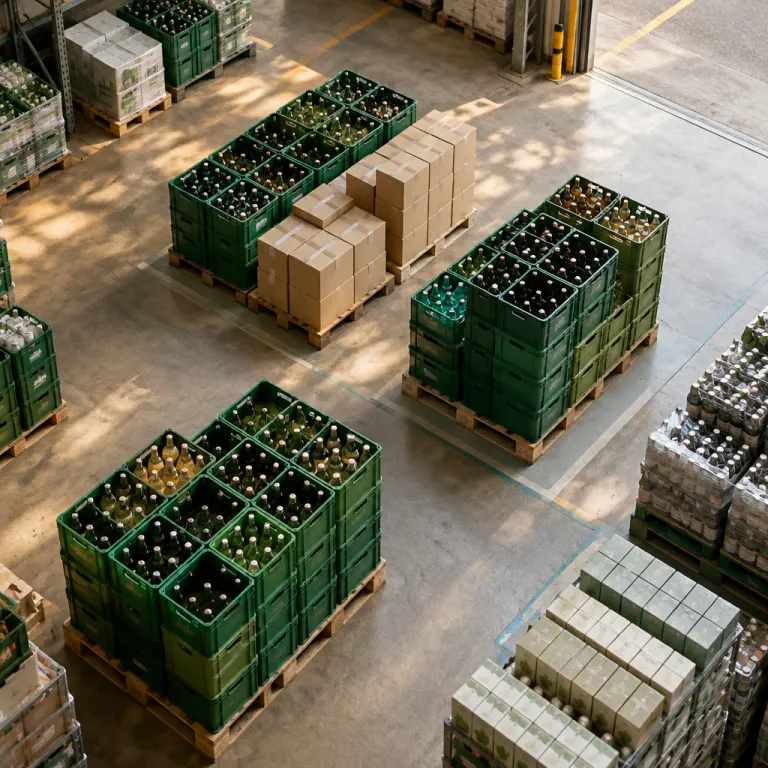
Why beverage warehousing now matters to hotel B2B sales teams
Beverage warehousing has moved from back of house concern to strategic lever. For hotel groups negotiating with wholesalers and tour operators, beverage warehousing now shapes margins, guest experience and B2B contract performance. As beverage industry partners push for tighter service level agreements, your warehousing distribution model can either unlock new segments or quietly erode profitability.
In hospitality, beverage warehousing is no longer just about storage of food beverage cartons behind the loading dock. It is specialized warehousing logistics for beverage products and food products under food grade and food safe conditions, aligned with the pace of group arrivals and MICE events. High weight beverages and refrigerated frozen items require temperature controlled handling, cold storage capacity and precise inventory management that can flex with seasonal demand from tour operators and corporate accounts.
For distribution leaders, the beverage warehouse has become a B2B negotiation argument as important as room allotments or meeting space. When you can demonstrate real time inventory visibility across multiple warehouse space locations, wholesalers gain confidence to commit to higher volumes and longer series. Beverage companies and beverage brands also expect hotel partners to respect food grade standards, temperature thresholds and alcohol regulations across the entire supply chain, from central warehouse to banquet room.
Aligning beverage warehousing with wholesale and tour operator demand patterns
Wholesale and tour operator flows are rarely linear, and beverage warehousing must mirror that volatility. Peak demand for beverages, food and beverage products often clusters around school holidays, incentive travel waves and major events, which compresses time windows for replenishment and distribution. When warehousing distribution is not synchronized with these cycles, hotels either run out of stock during high yield periods or carry excess inventory during shoulder seasons.
Specialized beverage warehousing for hospitality starts with mapping B2B demand curves by segment, not just by property. Tour operators selling all inclusive packages will drive very different beverage logistics profiles compared with corporate MICE agencies or sports groups. By linking warehouse management systems to B2B booking data, channel managers can forecast beverage products and food products needs per source market, then adjust warehouse space, cold storage and temperature controlled capacity accordingly.
Wholesale partners increasingly expect beverage warehouse operations to support retailer style service levels for their contracted groups. This means real time inventory management dashboards, FEFO rotation for perishable beverages and refrigerated frozen items, and clear rules for safety stock by brand and by channel. When your warehousing solutions can document that “What is beverage warehousing?” and “What makes it different from general warehousing?” and “When do brands need dedicated warehousing?” are fully addressed in your operating model, you gain leverage in negotiations about minimum guarantees and cancellation terms. For a deeper view on how high value incentive travel reshapes these flows, many B2B leaders now study internal playbooks on how incentive travel destinations transform wholesale and tour operator distribution.
Designing beverage warehouse networks around hotel clusters and DMC partnerships
Hotel groups that rely heavily on wholesalers and tour operators rarely operate a single beverage warehouse for all markets. Instead, they build regional warehousing distribution hubs near major distribution corridors, cruise ports or urban centers where group arrivals concentrate. This network approach to beverage warehousing reduces line haul costs, shortens delivery time and supports more agile beverage logistics for last minute group changes.
For channel managers, the question is not only how much warehouse space to lease, but where to position temperature controlled and cold storage capacity relative to key B2B source markets. A cluster of resorts in the Mediterranean, for example, may share one central beverage warehouse with food grade certification and several satellite warehousing solutions for peak season overflow. Beverage companies and beverage brands often co invest in these facilities, especially when premium beverages or refrigerated frozen products require strict temperature and handling standards.
Destination Management Companies add another layer to this beverage industry ecosystem. When a DMC orchestrates complex itineraries across multiple hotels, aligned beverage warehousing logistics can reduce duplication of inventory and avoid emergency purchases at retail prices. Strategic hotel groups now explore how a DMC in Europe can transform wholesale and tour operator partnerships for hotels through shared beverage logistics, as outlined in internal analyses of DMC driven wholesale collaboration models. In these models, beverage warehousing, food grade compliance and warehouse management systems become shared infrastructure rather than isolated cost centers.
From back office storage to strategic B2B revenue lever
Many hotel executives still treat beverage warehousing as a procurement or operations topic, far from B2B sales strategy. That mindset leaves money on the table, because warehousing logistics directly influences the value proposition you can offer wholesalers, GDS linked consolidators and OTA packaged deals. When beverage logistics are robust, you can confidently include premium beverage brands, signature cocktails and food beverage pairings in contracted packages without fearing stock outs.
Modern beverage warehouse operations rely on integrated systems that connect warehouse management, inventory management and B2B contracting tools. By feeding real time inventory and temperature controlled capacity data into revenue management and CRM platforms, sales équipes can model the profitability of including specific beverage products in tour operator offers. This is especially powerful for high margin beverages that require cold storage or refrigerated frozen handling, where precise warehousing distribution can protect both product integrity and contribution margin.
Strategic account managers increasingly use beverage warehousing capabilities as a differentiator when pitching to global wholesalers and corporate intermediaries. They highlight food grade certifications, beverage logistics performance, and the ability to support complex meeting and event catering across multiple properties. When these arguments are combined with strong meeting and event space capacity, as detailed in internal guides on strategic account management for hotel meeting and event space, hotel groups can justify higher package rates and longer term commitments.
Operational excellence in beverage warehousing for hospitality portfolios
Operational excellence in beverage warehousing starts with clear standards for food grade compliance and temperature controlled handling. For hotel groups, this means aligning beverage warehouse procedures with both hospitality brand standards and national food safety regulations. Beverage companies and beverage brands will only entrust their products to warehousing solutions that can document consistent temperature, humidity and hygiene controls over time.
Advanced warehouse management systems now support granular inventory management for beverages and food products across multiple sites. These systems track lot numbers, best by dates and storage conditions in real time, enabling FEFO rotation and proactive replenishment before high demand periods. When integrated with transportation management and on property point of sale systems, beverage logistics teams gain a full supply chain view from central warehouse space to banquet bar.
Automation is gradually entering the beverage industry warehousing landscape, especially for high volume SKUs and heavy pallets. Automated storage and retrieval systems can optimize space utilization, reduce handling damage and accelerate picking for large group events. In regions where labor costs are high and SKU portfolios are expanding, hybrid models that combine manual handling for premium beverages with automated flows for standard beverage products often deliver the best balance between flexibility and efficiency.
Data driven collaboration between hotel groups, beverage brands and 3PL providers
Data is the common language that aligns hotel groups, beverage brands and third party logistics providers around shared objectives. In beverage warehousing, this means moving beyond static stock reports toward real time dashboards that show inventory, temperature, space utilization and service levels by client and by channel. When all parties see the same warehousing logistics data, they can jointly adjust forecasts, promotions and B2B allocations.
Many hotel groups now partner with specialized 3PL warehousing providers that focus on beverage logistics and food grade operations. These partners operate beverage warehouse networks near major distribution hubs, offering flexible warehouse space, cold storage and refrigerated frozen capacity that can scale with seasonal demand. For brands, the question “What is beverage warehousing?” becomes tangible when they see how dedicated beverage warehousing facilities manage high pallet volumes, diverse SKUs and strict retailer style compliance for hospitality clients.
Retailers and distributors that supply hotels also benefit when beverage warehousing distribution is transparent and predictable. They can plan promotions, allocate beverage products and align transportation capacity with hotel group needs, reducing last minute surcharges and emergency shipments. Over time, this data driven collaboration strengthens trust across the beverage industry supply chain and positions hotel portfolios as reliable, high volume partners for both mainstream and niche beverage brands.
Risk management, compliance and resilience in beverage warehousing networks
Risk management in beverage warehousing goes far beyond insuring the physical warehouse. For hotel groups, a failure in beverage logistics during peak season can damage B2B relationships with wholesalers and tour operators for years. Building resilience into warehousing solutions therefore becomes a strategic priority, not just an operational safeguard.
Resilient beverage warehouse networks typically combine multiple sites, redundant cold storage capacity and diversified transportation partners. If one warehouse space faces a disruption, inventory can be rerouted from another temperature controlled facility, protecting both food products and beverage products from spoilage. This multi node approach to warehousing distribution is especially relevant for resorts in remote areas, where lead time for replacement stock can be long and demand from tour operators highly concentrated.
Compliance is the other pillar of resilience, particularly for food grade and alcohol regulations. Beverage companies and beverage brands expect hotel partners to maintain traceability from production to point of consumption, which requires robust warehouse management and inventory management systems. When audits occur, the ability to show real time data on storage conditions, batch movements and supply chain partners reinforces your position as a trustworthy actor in the beverage industry and strengthens your negotiating power in future B2B contracts.
Key figures shaping beverage warehousing for hospitality B2B
- Growth in SKU portfolios for beverages and food products has reached a 25 percent increase per year in some beverage industry segments, which significantly raises the complexity of beverage warehousing and inventory management for hotel groups (recent industry survey, 2023, based on multi market operator panels).
- Hotel and beverage companies that shifted to a regional beverage warehouse hub model near major distribution corridors reported up to 30 percent savings in storage related costs annually, while maintaining or improving service levels to wholesalers and tour operators (case study comparing North East United States markets, 2022, internal benchmarking report).
- Specialized beverage warehousing providers report that a majority of new hospitality contracts now require temperature controlled or cold storage zones, reflecting rising demand for premium beverage products and stricter food grade compliance across the supply chain (industry operator reports from leading 3PLs, 2021–2023).
- Automation and advanced warehouse management systems in beverage logistics have reduced picking time per order line by double digit percentages in high volume facilities, enabling faster turnaround for large group events and MICE operations (logistics technology benchmarks and pilot implementations across European hubs).
FAQ about beverage warehousing in hospitality B2B
What is beverage warehousing in a hospitality context ?
Beverage warehousing in hospitality is the specialized storage, handling and distribution of beverages and food beverage items for hotels under food grade and regulatory standards. It covers ambient, temperature controlled and cold storage zones, plus inventory management and warehouse management processes tailored to group and MICE demand. The goal is to protect product quality while supporting reliable B2B service for wholesalers, tour operators and corporate clients.
How is beverage warehousing different from general warehousing for hotels ?
General warehousing focuses on non perishable products and basic storage, while beverage warehousing must manage high weight liquids, perishable beverages and strict temperature requirements. It also needs real time traceability, FEFO rotation and compliance with food and alcohol regulations across the supply chain. For hotel groups, this means more advanced systems, tighter process control and closer collaboration with beverage companies and 3PL partners.
When should a hotel group invest in dedicated beverage warehouse capacity ?
A hotel group should consider dedicated beverage warehouse space when volumes, SKU diversity or regulatory complexity outgrow what shared facilities can handle reliably. This often occurs when the portfolio expands across regions, when premium beverage brands join the mix or when wholesalers and tour operators demand stricter service levels. Dedicated beverage warehousing can then support better cost control, higher resilience and stronger B2B positioning.
What role do 3PL providers play in beverage warehousing for hospitality ?
Third party logistics providers with beverage logistics expertise operate food grade warehouses, manage temperature controlled and cold storage zones and run advanced warehouse management systems on behalf of hotel groups. They offer flexible warehousing solutions, from shared to dedicated sites, and often provide digital portals for real time inventory visibility. For many hotel portfolios, partnering with such 3PLs is the fastest way to reach professional beverage warehousing standards without heavy capital investment.
How can beverage warehousing improve B2B negotiations with wholesalers and tour operators ?
Robust beverage warehousing allows hotel groups to guarantee product availability, quality and service levels for contracted packages, which strengthens their negotiating position. When wholesalers see reliable inventory management, compliant food grade operations and resilient warehousing distribution networks, they are more willing to commit to higher volumes and longer terms. This operational credibility often translates into better commercial conditions and access to higher value segments.