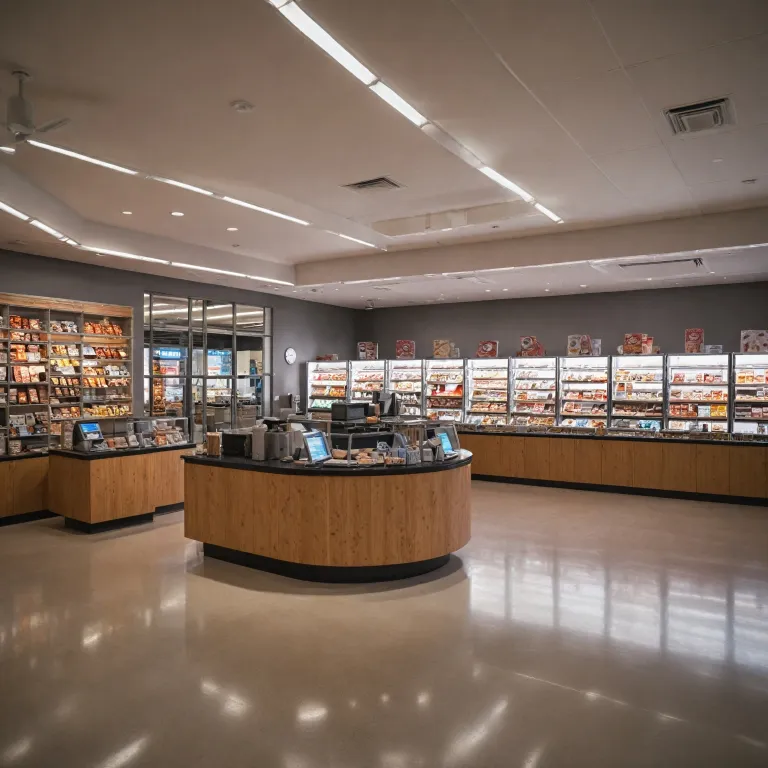
From donut shop counters to hotel lobbies: why donut POS systems matter to B2B distribution
At first glance, donut POS systems seem far removed from hotel B2B distribution, yet the parallels are striking for any pos focused strategist. A modern donut shop runs on a tightly integrated pos system that connects every shop, every sale, and every customer touchpoint into one coherent data stream. For responsables distribution and channel managers, this mirrors how a central reservation system must orchestrate each point of sale across OTA, GDS, wholesalers, and direct channels.
In a competitive quick service environment, each donut shop depends on a reliable point sale workflow that never slows the queue. The same logic applies when a hotel group manages B2B sales for corporate allotments, MICE blocks, and tour operator series through multiple systems and partners. When donut shop owners invest in a shop pos platform, they expect the technology to support long term growth, not just daily transactions.
Specialized donut pos systems show how granular data on each sales item can transform a small donut business into a data driven operation. Every card payment, every app order, and every in shop purchase becomes a structured signal about demand, pricing, and customer satisfaction. For hotel distribution leaders, this is a powerful analogy for how CRS, channel manager, and revenue tools should treat each booking as a micro insight across B2B segments.
In donut shops, inventory management is no longer a back office spreadsheet but a live, integrated service that protects margins. The same mindset helps hotel groups treat allotments, room types, and rate plans as dynamic stock across all shops and partners. By studying how a donut shop pos system connects kitchen video, front counter, and online orders, hospitality executives can rethink how their own systems donut style architectures should connect sales, operations, and distribution.
Channel orchestration lessons from donut shop pos systems
Donut pos systems operate as the central nervous system for every donut shop, much like a channel manager coordinates B2B flows for a hotel group. Each donut shop uses its pos system to route orders from the counter, drive through, and app into a single queue. This mirrors how hotels must route bookings from OTA, GDS, wholesalers, and direct corporate contracts into one coherent point of sale environment.
In a busy donut shop, quick service is non negotiable, because any delay erodes customer satisfaction and future sales. The pos software must handle each card transaction, each cash sale, and each mobile wallet payment with the same reliability. For hotel B2B teams, this is similar to maintaining parity and availability across channels, where a single failure can damage partner trust and long term relationships.
When shop owners configure their shop pos, they carefully select options for menus, modifiers, and bundles that reflect real customer behavior. Hotel distribution leaders face an equivalent task when they choose rate plans, corporate packages, and wholesale conditions across their systems. Resources on rate parity management for optimal B2B distribution echo the same discipline that donut shops apply to consistent pricing across multiple shops.
In both worlds, technology is only as strong as the processes and service design that surround it. A donut shop pos system donut configuration that ignores peak morning demand will fail, even if the technology is the best available. Likewise, a hotel channel strategy that neglects B2B partner workflows will underperform, regardless of how advanced the CRS or channel manager appears.
Data driven B2B sales: from donut customers to corporate buyers
Every transaction captured by donut pos systems is a micro story about a customer, a product, and a moment in time. For donut shop owners, this data reveals which donuts sell fastest, which sales item combinations drive higher margins, and which shops underperform. In hotel B2B distribution, similar patterns emerge when teams analyze booking windows, length of stay, and channel mix across corporate and wholesale partners.
Modern donut pos software uses AI driven analytics to segment customers, forecast demand, and optimize inventory management. Hotel groups can apply the same logic by treating each B2B account as a segment with its own service expectations, rate sensitivity, and channel behavior. When a donut shop pos system integrates kitchen video, it closes the loop between order capture, production, and delivery, which is comparable to linking CRS, PMS, and revenue tools in hospitality.
For distribution leaders, the lesson is clear ; a fragmented system donut architecture weakens every negotiation with OTA, GDS, and wholesalers. A unified view of sales across all point sale locations, whether donut shops or hotel properties, strengthens forecasting and pricing decisions. Advanced channel strategies for extended stay and apartments, such as those described in modern distribution for apartment style inventory, echo the same principles that guide a scalable donut business.
In practice, this means using pos systems and hotel distribution platforms to enhance customer relationships rather than simply record transactions. A donut shop that uses its app data to personalize offers will see higher customer satisfaction and repeat sales. Similarly, a hotel group that uses B2B booking data to tailor service options and contracting terms will strengthen partner loyalty and long term revenue.
Operational excellence: what hotel groups can learn from quick service donut shops
Quick service donut shops operate on thin margins, high volume, and unforgiving peak periods, which makes their pos systems a masterclass in operational discipline. Each donut shop relies on its pos system to synchronize front of house, kitchen video, and back office reporting in real time. Hotel groups managing B2B distribution can adopt the same rigor when aligning sales, revenue, and operations across multiple properties.
In a donut shop, the point of sale is not just a payment terminal but a command center for service restaurants style workflows. Staff use the pos to select items, manage modifiers, and route orders to the correct production station with minimal friction. For hotels, the equivalent is a CRS and channel manager that guide sales teams through rate selection, allotment control, and partner specific rules without manual workarounds.
Donut pos systems also illustrate how technology can enhance customer experience without overwhelming staff. When a donut shop integrates an app for pre orders, the pos system must merge online and in shop queues seamlessly to enhance customer satisfaction. Hotel distribution leaders face a similar challenge when blending direct digital channels with B2B intermediaries, ensuring that every customer and every business partner receives consistent service.
Resources on seamless hotel channel management highlight the same need for orchestration that donut business operators face daily. In both sectors, the best systems are those that make complexity invisible to frontline teams. When shop owners and hotel managers can focus on service instead of troubleshooting technology, both sales and customer service metrics improve.
Designing system architectures that mirror donut pos systems
For responsables distribution and channel managers, the architecture of donut pos systems offers a concrete blueprint for resilient hospitality stacks. A typical donut shop pos system combines hardware at each point of sale, cloud based pos software, and integrations with payment gateways and inventory management tools. Hotel groups can mirror this by aligning CRS, channel manager, PMS, and payment solutions into a coherent, modular system donut design.
In donut shops, each terminal in different shops shares a unified product catalog, pricing rules, and promotion logic. This ensures that customers experience the same service and options whether they visit one donut shop or another within the same brand. Hotels should aim for similar consistency across properties and B2B channels, so that corporate buyers and wholesalers encounter predictable conditions regardless of booking path.
Donut pos systems also demonstrate the value of flexible configuration for evolving business needs. When shop owners introduce new donuts, bundles, or loyalty programs, they adjust the pos system without disrupting daily sales. Hotel distribution leaders require the same agility when adding new rate plans, corporate agreements, or channel partners, ensuring that each change flows through all point sale touchpoints.
Crucially, both sectors must treat technology as a long term strategic asset rather than a short term cost. Investments in robust pos systems, shop pos infrastructure, and integrated customer service tools pay off through higher customer satisfaction and more reliable sales data. For hotel groups, a similarly disciplined approach to system design underpins sustainable B2B growth and protects relationships with OTA, GDS, and wholesale partners.
Payment, pricing, and service: aligning donut POS logic with B2B hospitality
Payment flows in donut pos systems provide a useful lens for rethinking B2B pricing and settlement in hospitality. In a donut shop, each card transaction, cash payment, or app based wallet is captured at the point of sale with clear attribution to a specific sales item. This level of granularity enables precise margin analysis, targeted promotions, and better service decisions across all shops.
Hotel groups can emulate this by ensuring that every B2B booking, whether from OTA, GDS, wholesalers, or direct corporate contracts, is tagged accurately within their systems. When distribution leaders can select and compare performance across channels, they can identify which partners truly enhance customer value and which erode profitability. The logic that guides choosing donut pricing strategies in retail can inform how hotels structure dynamic rates, value adds, and commission models.
Donut pos systems also show how integrated technology can enhance customer trust through transparent receipts, accurate orders, and responsive customer service. A donut shop that consistently delivers the right donuts, at the right time, with minimal friction builds strong customer loyalty. Hotels can apply the same principle by aligning their CRS, channel manager, and payment systems to reduce overbookings, billing disputes, and service failures.
As one expert summary notes, “A POS system streamlines transactions, improves order accuracy, manages inventory, and provides sales analytics.” This statement captures why both donut shops and hotel groups must treat pos systems as strategic tools rather than simple cash registers. By aligning technology, pricing, and service design, hospitality leaders can enhance customer experiences and secure long term B2B partnerships.
Key quantitative insights on donut POS systems and operations
- Initial POS hardware investment for a typical donut shop often starts around 1 200 USD, with higher end configurations reaching several thousand for multi terminal setups.
- Monthly POS software subscription fees for donut shops generally range from about 70 USD to 300 USD, depending on feature depth and number of locations.
- Some high volume donut shops can serve approximately 450 customers through drive through lanes by 9:00 in the morning, which places extreme pressure on quick service workflows and pos reliability.
- Cloud based pos systems and mobile payment integrations have become standard in many donut businesses, supporting both in shop and app driven sales.
- AI driven analytics within modern pos systems help donut shop owners forecast demand, reduce waste, and optimize inventory management across multiple shops.
Frequently asked questions about donut POS systems and hospitality distribution
What are the benefits of using a POS system in a donut shop?
A POS system streamlines transactions, improves order accuracy, manages inventory, and provides sales analytics. For hotel distribution leaders, these same capabilities translate into cleaner booking data, fewer errors in B2B contracts, and more reliable performance reporting. The shared logic across sectors is that a robust pos system underpins both operational efficiency and strategic decision making.
How much does a POS system cost for a donut shop?
Initial hardware costs for a donut shop pos system typically range from about 1 200 USD to 5 000 USD, depending on the number of terminals and peripherals. Monthly software fees usually fall between 70 USD and 300 USD, with higher tiers adding advanced analytics, loyalty, and multi shop features. Hotel groups can use these benchmarks when evaluating the relative cost of their own point of sale and distribution platforms.
Can a POS system handle mobile payments?
Modern donut pos systems are designed to integrate with mobile payment platforms such as Apple Pay and Google Pay. This capability supports quick service operations by reducing friction at the point of sale and accommodating customer preferences. In hospitality, similar integrations with digital wallets and virtual cards help streamline B2B settlement and enhance customer satisfaction.
How do POS systems support inventory management in donut shops?
POS systems in donut shops track each sales item in real time, deducting ingredients and finished goods from inventory as transactions occur. This live inventory management helps shop owners reduce waste, avoid stockouts, and plan production more accurately. Hotel groups can apply the same principles to room inventory, rate plans, and allotments across their distribution systems.
Why are analytics features important in donut POS systems?
Analytics features in donut pos systems transform raw sales data into actionable insights about product performance, peak periods, and customer behavior. Shop owners use these insights to refine menus, adjust staffing, and optimize pricing strategies across all shops. For hotel B2B teams, comparable analytics within CRS and channel tools support smarter contracting, channel mix optimization, and long term revenue growth.