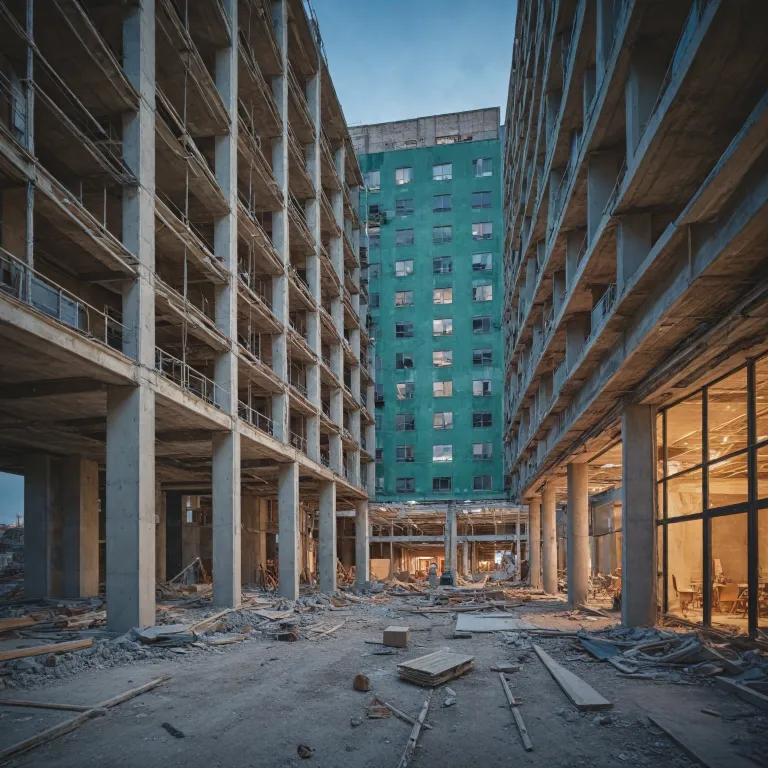
Strategic foundations for hotel project management in hospitality
Hotel project management is the cornerstone of successful hotel development, guiding each project from concept to completion. The hospitality industry demands a meticulous approach to project planning, as each hotel project must align with brand standards and guest expectations. Project managers, architects, and contractors collaborate closely to ensure that every step of the process, from early design to hotel construction, is executed with precision and efficiency.
Effective project management requires a clear definition of project scope, objectives, and deliverables. Team members, including financial analysts and interior designers, contribute their expertise to create a cohesive plan that addresses both operational needs and guest experience. The integration of sustainable practices and smart technologies is increasingly vital, enhancing the long term value of hotels and elevating the guest experience.
Challenges such as regulatory compliance, budget constraints, and coordination among diverse stakeholders are common in hotel projects. Project managers must employ robust risk management strategies and leverage project management software to maintain control over timelines and resources. The success of hotel development projects hinges on the ability to adapt to evolving market demands while maintaining the integrity of the brand and ensuring a memorable guest experience.
Optimizing team collaboration and communication for project success
Collaboration among team members is essential for the success of any hotel project. Project managers play a pivotal role in facilitating communication between architects, contractors, interior designers, and hotel owners. Each team member brings unique expertise to the table, ensuring that the hotel construction process adheres to both brand standards and the specific requirements of the hospitality industry.
Clear communication channels help prevent misunderstandings and delays, which are common challenges in hotel project management. Regular meetings and updates keep all stakeholders informed about project progress, budget status, and any emerging issues. The use of project management software and Building Information Modeling (BIM) tools streamlines information sharing and enhances transparency throughout the project lifecycle.
Successful project managers foster a culture of accountability and collaboration, empowering team members to contribute their insights and expertise. This approach not only improves project outcomes but also strengthens relationships with partners such as architectural firms, construction companies, and financial institutions. For further insights into optimizing team collaboration in hospitality projects, explore this comprehensive guide on effective project communication strategies.
Integrating brand standards and guest experience into hotel design
Brand standards are a defining element of hotel project management, shaping the design and service philosophy of each hotel. Project managers work closely with interior designers and architects to ensure that every aspect of the hotel, from public spaces to guest rooms, reflects the brand’s identity and values. The design phase is critical for translating brand standards into tangible features that enhance the guest experience.
Guest experience is at the heart of every successful hotel project. Attention to detail in design, amenities, and service offerings can set a hotel apart in a competitive market. Project managers must balance the demands of hotel owners, brand requirements, and guest expectations to create a cohesive and inviting environment.
Innovative design solutions, such as the integration of smart technologies and wellness amenities, contribute to a superior guest experience and long term project success. For a deeper exploration of how brand standards influence hotel development, refer to this resource on brand-driven hotel design.
Navigating the complexities of hotel construction and renovation
Hotel construction and renovation projects present unique challenges that require specialized project management expertise. The construction phase involves close coordination between contractors, architects, and project managers to ensure that the hotel is built to specification and within budget. Delays, budget overruns, and regulatory hurdles are common obstacles that must be proactively managed.
Project managers utilize risk management techniques and quality assurance processes to mitigate potential issues during construction. The selection of materials, adherence to safety standards, and compliance with local regulations are critical factors in achieving a successful project outcome. Renovation projects, in particular, demand careful planning to minimize disruption to ongoing hotel operations and maintain guest satisfaction.
Effective project management in hotel construction and renovation requires adaptability and a thorough understanding of the hospitality industry’s evolving needs. By leveraging the expertise of team members and partners, project managers can deliver hotels that meet the highest standards of quality and service.
Leveraging technology and innovation in hotel project management
The adoption of advanced technologies is transforming hotel project management and enhancing project success. Project management software, BIM, and financial modeling tools enable project managers to plan, track, and optimize every aspect of hotel development. These tools facilitate real-time collaboration among team members and improve decision-making throughout the project lifecycle.
Smart technologies, such as automated systems for energy management and guest services, are increasingly integrated into hotel design and operations. These innovations not only improve operational efficiency but also elevate the guest experience and support long term sustainability goals. The hospitality industry is also embracing eco-friendly building practices, reflecting a growing commitment to environmental responsibility.
Project managers must stay abreast of technological advancements and incorporate them into their project plans to maintain a competitive edge. The integration of technology into hotel projects enhances both the construction process and the post opening guest experience, ensuring that hotels remain relevant and appealing in a dynamic market.
Ensuring long term value and post opening success in hotel projects
Post opening success is a critical consideration in hotel project management, as it determines the long term value of the investment. Project managers and hotel owners must develop strategies for ongoing maintenance, service enhancements, and guest satisfaction. The transition from construction project to operational hotel requires careful planning and coordination among team members.
Continuous monitoring of hotel performance, guest feedback, and market trends enables hotel owners to make informed decisions about future renovations and service improvements. Project managers play a key role in facilitating this process, ensuring that hotels hospitality projects continue to meet brand standards and deliver exceptional guest experiences.
As stated in the dataset, "Successful hotel project management leads to the timely delivery of high-quality hotels that meet market demands, provide exceptional guest experiences, and yield profitable returns." This underscores the importance of effective project management throughout the entire hotel development lifecycle.
Key statistics in hotel project management and hospitality development
- Global hotel construction pipeline projects: 15,820 projects
- Global hotel construction pipeline rooms: 2,438,189 rooms
- U.S. hotel construction pipeline projects: 6,378 projects
- U.S. hotel construction pipeline rooms: 746,986 rooms
Frequently asked questions about hotel project management
What are the key phases in hotel project management?
The key phases include initiation, planning, design, construction, pre-opening, and opening.
How long does it typically take to complete a hotel project?
The duration varies based on project size and complexity but typically ranges from 18 to 36 months.
What are common challenges in hotel project management?
Common challenges include budget overruns, delays due to unforeseen circumstances, regulatory compliance, and coordination among diverse stakeholders.
How can project managers ensure compliance with brand standards?
Project managers ensure compliance by closely collaborating with brand representatives, adhering to established guidelines, and integrating brand standards into every phase of the project.