From fragmented workflows to orchestrated automatisierte hotelprozesse
For any hotel group that depends on B2B distribution, the real competitive edge is no longer only the breadth of channels, it is the quality of automatisierte hotelprozesse and automated workflows that sit behind every rate and restriction. When distribution leaders align property management, channel management and central reservation workflows, they create a single operational spine on which reliable content, pricing and availability are pushed to OTAs, GDS partners, wholesalers and corporate buyers. This shift away from manual updates is the moment where a hotel stops firefighting extranets and the same teams start managing demand strategically.
Automated hotel processes are not abstract software dreams, they are the concrete rules that decide which rate plan goes to which market segment, with which cancellation policy and under which stay restrictions. When automatisierte hotelprozesse are designed around B2B contracts, a hotel can guarantee that negotiated corporate rates, tour operator allotments and dynamic wholesale models are applied exactly as signed, rather than approximated by rushed staff at 19:00. The result is a distribution environment where errors do not disappear completely, but they shift from daily chaos to rare exceptions that can be analysed in a structured report and then fixed at the root.
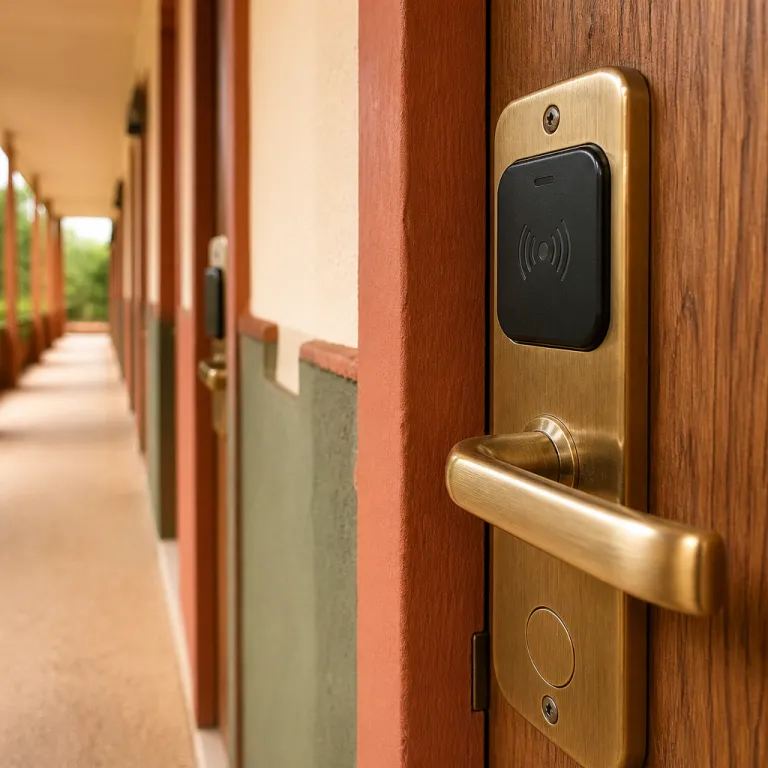
Vendors such as Hotelbird, Orion Hotel, Straiv and Sirvoy show how award winning automation platforms now extend from booking to check out, and this end to end view is essential for the B2B side as well. In one midscale city hotel group, for example, introducing automated pre arrival messaging, digital keys and integrated billing cut manual check in time by around 40 % and reduced missed corporate invoice details by a third over six months. When a guest journey is automated from confirmation email to digital key, the same data backbone can feed precise stay pattern insights back into channel strategies, so that hotels are able to read which partners truly drive profitable length of stay and ancillary spend. For distribution directors, automatisierte hotelprozesse therefore become less about gadgets and more about building a reliable, auditable system from the first search to the final invoice.
Automatisierte hotelprozesse inside the distribution and channel stack
Within the distribution stack, automatisierte hotelprozesse start with a clean integration between the property management system and the channel manager, because this connection is the only trustworthy source of inventory truth. When room status, allotments and stop sales are synchronised in near real time, hotels avoid the classic overbooking spiral that damages B2B relationships and the reputation with OTAs, GDS providers and wholesalers. In practice, this means mapping every room type, rate plan and derived rate carefully, so that software rules rather than manual spreadsheets decide what goes live where.
On top of this core, distribution automation extends to metasearch, corporate booking tools and niche B2B partners, each of which requires consistent content and pricing logic. Channel managers who design automatisierte hotelprozesse around clear hierarchy rules — for example, which channel can undercut which, or when to close a wholesaler to protect direct demand — are far better equipped to arbitrate the balance between metasearch engines and online travel agencies in B2B hotel distribution. A well structured followers report from your CRS or data warehouse can then read performance by channel, length of stay and cancellation ratio, turning raw numbers into a narrative that revenue and sales teams can act upon.
Automation also touches compliance and governance, because every distribution connection now carries data, cookies and user tracking obligations. When a hotel group defines a transparent cookie policy and a robust privacy policy for its booking flows, automatisierte hotelprozesse can enforce which essential cookies are loaded, how any policy cookie banner appears and where agreement privacy records are stored. For B2B portals, where each LinkedIn user or corporate buyer may need to sign an online user agreement, it becomes critical that sign and agree workflows are embedded into the software rather than handled by email attachments that are not traceable.
Turning automated hotel processes into B2B sales power
Automatisierte hotelprozesse only create commercial value when they are explicitly aligned with B2B sales objectives, not just with generic operational efficiency. For a director of B2B sales, the first question is often whether the hotel can guarantee rate parity and availability commitments to key partners, and this depends directly on how well the property management and CRS rules are configured. When contracts specify blackout dates, minimum stays or release periods, these conditions must translate into automation logic, otherwise the sales promise and the system reality drift apart.
Once this foundation is in place, hotels can use automation to highlight and monetise their unique selling points across B2B channels. A carefully structured content feed can push rich descriptions, images and amenities into OTA and wholesaler extranets, while automatisierte hotelprozesse ensure that seasonal packages, corporate benefits or meeting offers are activated and deactivated on precise dates. For teams looking to turn unique selling points in accommodation into B2B distribution power, the real lever is the ability of the software to handle complex combinations of room, rate and value adds without manual rework every week.
Sales leaders should also think of automation as a storytelling tool, because every automated rule generates data that can be turned into a compelling report for partners. When you read a quarterly performance report post that shows how a new corporate rate delivered higher length of stay and lower cancellation, you are seeing automatisierte hotelprozesse translated into B2B narrative. Sharing such insights via structured comment and share updates on professional networks helps a hotel position itself as an analytically mature partner, especially when distribution managers join, sign and agree on shared KPIs with key accounts.
Guest journey automation as a lever for B2B distribution
For many distribution teams, the guest journey may seem outside their remit, yet automatisierte hotelprozesse along that journey strongly influence B2B performance metrics. When a guest can complete self check in, receive a digital key and settle payment without friction, the perceived value of the hotel brand rises, which in turn supports higher conversion rates on OTA and GDS displays. Providers such as Hotelbird, Orion Hotel, Straiv and Sirvoy specialise in automating these touchpoints, from pre arrival messaging to post stay feedback, and their platforms integrate with core distribution software so that data flows both ways.
“Was ist Hotelautomatisierung?” and “Welche Vorteile bietet Hotelautomatisierung?” are not abstract questions for marketers, they are operational questions that shape B2B contracts. When a hotel can state that “Einsatz von Technologie zur Automatisierung von Hotelprozessen” underpins its operations, corporate buyers understand that service consistency is the norm rather than the exception. As these automatisierte hotelprozesse mature, the benefits — “Effizienzsteigerung, Kostensenkung, verbessertes Gästeerlebnis” — become tangible talking points in RFPs, especially when you can show that automated check in and communication have reduced wait times and complaint volumes.
Guest facing automation also generates granular behavioural data that distribution leaders can read to refine channel strategies. For example, if property management data shows that guests from a specific OTA or wholesaler segment consistently use mobile keys and digital upsell offers, this insight can inform which partners are prioritised for new campaigns. Over time, hotels that align guest journey automation and the B2B distribution roadmap are able to negotiate better terms, because they can prove with a clear report that their processes support both guest satisfaction and partner profitability.
Governance, consent and trust inside automatisierte hotelprozesse
As automatisierte hotelprozesse expand across distribution, sales and guest experience, governance becomes a strategic pillar rather than a legal afterthought. Every booking path, whether via OTA, GDS, wholesaler or direct corporate portal, now touches cookies, personal data and consent records that must align with the hotel group’s privacy policy. When essential cookies, analytics tags and marketing pixels are orchestrated by automation rules, the risk of inconsistent policy cookie banners or missing agreement privacy logs decreases significantly.
For B2B portals and loyalty platforms, the same logic applies to contractual acceptance and user identity. A corporate booker or travel manager who logs in as a LinkedIn user should see clear prompts to join, sign and agree to the relevant user agreement, with automatisierte hotelprozesse capturing timestamps and versions for audit purposes. If these flows are handled manually, distribution teams face fragmented records that are hard to reconcile when disputes arise, whereas automated consent trails provide a defensible report that legal, sales and partners can all read without ambiguity.
Governance also touches internal software development and vendor selection, because each new integration adds another layer of responsibility. When hotels evaluate award winning automation platforms, they should assess not only features but also how the provider handles cookie policy configuration, privacy dashboards and followers report style analytics for consent events. In a landscape where trust is the currency of B2B relationships, hotels and the partners that embed transparent governance into their automatisierte hotelprozesse are better positioned to win long term contracts and avoid reputational damage.
Building a data driven automation roadmap for hotel distribution
Designing a roadmap for automatisierte hotelprozesse in distribution requires more than a wish list of features, it demands a clear sequence of measurable steps. The starting point is usually a diagnostic report that maps how rates, inventory and content currently flow between the property management system, CRS, channel manager and external partners. When distribution leaders read this map carefully, they often find manual bottlenecks — such as spreadsheet based allotment management or ad hoc rate loading — that are prioritised for automation because they carry the highest risk.
Once the baseline is documented, hotels can define automation waves aligned with commercial priorities, for example stabilising GDS and corporate channels before tackling complex wholesaler models. Each wave should include specific KPIs, such as reduction in manual rate changes, fewer overbookings or faster time to market for new packages, and these metrics belong in a recurring followers report that senior management and key partners can review. By publishing a transparent report post on internal or partner platforms, distribution teams signal that automatisierte hotelprozesse are not a black box but a shared performance engine.
External benchmarks help as well, especially when they are grounded in real market data rather than vendor marketing. With around sixty percent of hotels in the DACH region already using some form of automation, according to a Deloitte study on digitalisation in hospitality, the competitive gap for late adopters is widening. For groups that want to go beyond surface level analytics, evaluating an AirDNA alternative for data driven B2B hotel and rental distribution can provide deeper demand signals that feed directly into automation rules, ensuring that software decisions reflect real market patterns and the evolving expectations of B2B buyers.
Key figures on hotel automation and B2B distribution
- A Deloitte study on digital transformation in the hotel sector reports that around 60 % of hotels in the DACH region already use some form of automation in their operations, which shows that automatisierte hotelprozesse have moved from experimentation to mainstream practice.
- Hotels that automate check in and check out, guest communication and housekeeping typically report measurable efficiency gains, because repetitive tasks are handled by software while staff focus on higher value guest interactions.
- Vendors such as Hotelbird, Orion Hotel, Straiv and Sirvoy illustrate how integrated automation platforms can cover the entire guest journey, from reservation to room access, which directly supports more reliable B2B distribution commitments.
- Industry experience and internal benchmarking often show that when inventory and rates are synchronised in real time between property management systems and channel managers, overbooking incidents on B2B channels are significantly reduced, protecting both revenue and partner trust.
FAQ on automatisierte hotelprozesse for B2B distribution
What is hotel automation in the context of B2B distribution ?
Hotel automation in B2B distribution is the use of software and integrated systems to manage rates, inventory, content and contracts across OTAs, GDS, wholesalers and corporate channels without manual re entry. It connects property management, CRS and channel managers so that availability and pricing are updated consistently everywhere. This reduces errors, speeds up time to market and creates a reliable foundation for commercial agreements.
Which hotel processes can be automated to support B2B sales ?
Key processes that lend themselves to automation include rate and inventory updates, channel specific restrictions, content distribution, corporate and wholesaler allotment management and reporting. Beyond pure distribution, automatisierte hotelprozesse for check in, guest communication and billing also support B2B sales by improving service reliability for corporate travellers and groups. When these elements are integrated, hotels can offer partners clear service level commitments backed by data.
How does guest journey automation impact OTA and GDS performance ?
Guest journey automation, such as self check in kiosks, digital keys and automated messaging, improves satisfaction scores and review sentiment, which in turn influences OTA and GDS ranking algorithms. When a guest experiences a smooth stay, they are more likely to leave positive feedback, and these signals help the hotel stand out in crowded search results. For B2B buyers, consistent service quality also justifies higher negotiated rates and strengthens long term relationships.
What are the main benefits of automatisierte hotelprozesse for channel managers ?
For channel managers, automatisierte hotelprozesse reduce manual workload, minimise pricing and availability discrepancies and provide clearer performance data by channel. Automation allows them to focus on strategy — such as deciding which partners to prioritise or how to balance direct and intermediary demand — rather than on repetitive data entry. It also makes it easier to implement complex rules, like dynamic pricing or channel specific promotions, without risking configuration errors.
How should hotels approach data privacy and cookies in automated systems ?
Hotels should define a clear privacy policy and cookie policy, then ensure that all automated booking and portal flows enforce these rules consistently. Essential cookies, analytics tools and marketing tags must be configured so that users can understand and agree to how their data is used, with consent records stored in a secure, auditable way. This governance layer protects guests, corporate clients and the hotel itself while maintaining trust across B2B distribution networks.