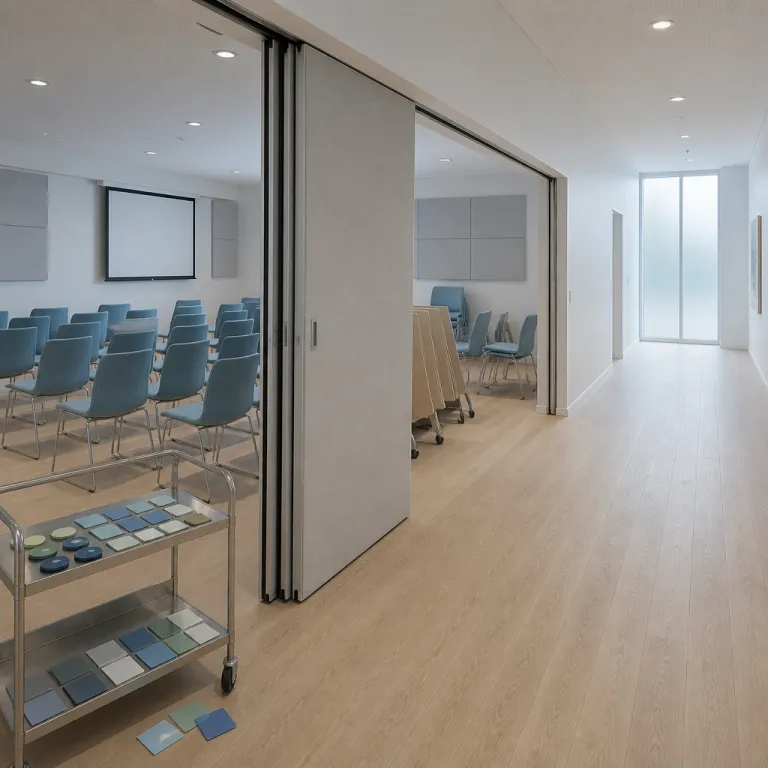
From kumla hotel floor plan meeting spaces to channel ready content architecture
Parity and content management start long before a rate hits an OTA screen. When you analyse kumla hotel floor plan meeting spaces as a distribution professional, you are really mapping how every guest journey and every B2B offer will be translated into structured data across channels. The way the hotel located in Kumla describes its single meeting room, its capacity of 40 people, and its on site restaurant directly impacts conversion on each booking platform.
For a small property like Kumla Hotel in Örebro County, the floor plan of meeting spaces is not just an operational tool, it is the backbone of how you package and sell to corporate guests, groups and intermediaries. The kumla hotel floor plan meeting spaces define which room types can be combined with the meeting room, how many adults can be accommodated per room, and which ancillary services such as breakfast or parking free of charge can be bundled. When channel managers structure this information consistently, they avoid content gaps that often lead to poor rating and lower visibility on OTAs and GDS.
Distribution leaders should treat the kumla hotel floor plan meeting spaces as a master dataset that feeds every CRS, OTA, GDS and wholesaler connection. Each guest room, from standard rooms to larger rooms for families, must be linked to the meeting room inventory and to clear price per night rules. When the property offers free wifi, breakfast free of charge, or parking free of charge, these benefits must be encoded as attributes, not just marketing text, so that hotel features are searchable and comparable across channels.
Encoding meeting space attributes for rate parity and content parity
True parity is no longer limited to identical price per night across channels, it also requires aligned content describing the same kumla hotel floor plan meeting spaces. A channel manager who distributes Kumla Hotel, or any similar hotel located near Örebro or Hallsberg, must ensure that capacity, layout, and equipment are described with the same granularity on every B2B and B2C interface. When one OTA shows the meeting room with free wifi and LCD projector while another omits internet access, perceived value diverges and parity breaks silently.
For the Kumla Hotel meeting room, the factual baseline is clear; there is one total meeting room with a maximum capacity of 40 people, equipped with wireless internet and an LCD projector. Typical configurations include classroom style for around 30 participants, theatre style for up to 40, or boardroom style for 16–18 delegates, depending on table layout. These attributes should be mapped in the CRS, then pushed via API to OTAs, GDS and wholesalers, with identical wording and identical constraints on number of adults and number of guests per room block. When you manage hotel Kumla or a comparable hotel Örebro property, you should also align how you present breakfast free of charge, parking free of charge, and luggage storage, because these hotel features influence both reviews and conversion.
Rate parity strategies during demand spikes must be built on this consistent content layer, otherwise dynamic pricing rules will be interpreted differently by each channel. For teams working on kumla hotel floor plan meeting spaces, a best practice is to pair every rate plan with a clear description of included services, then use a dedicated parity playbook such as the approaches described in guidance on keeping OTA and direct rates aligned during demand spikes. A simple example would be a weekday meeting rate that includes the conference room, morning and afternoon coffee, and access to free wifi, with a transparent supplement per person for lunch. When content parity and price parity move together, B2B partners trust the data and reduce manual overrides that often damage margins.
Aligning B2B offers with kumla hotel floor plan meeting spaces
Corporate and MICE buyers rarely purchase a meeting room in isolation, they buy a coherent package that links kumla hotel floor plan meeting spaces with sleeping rooms and services. For Kumla Hotel, this means that the single meeting room for up to 40 guests must be bundled with a defined number of rooms, clear check in and check out times, and transparent price per night for adults and any extra guest. When these packages are distributed through GDS, wholesalers and corporate booking tools, every component must remain synchronized.
Channel managers should build B2B offers that reflect how the property offers its real physical layout, not abstract rate codes disconnected from the floor plan. A typical example would be a day meeting package including the meeting room with free wifi and full internet access, coffee breaks, lunch at the site restaurant, and optional breakfast free of charge for guests staying overnight. For instance, a small regional sales meeting might use theatre style seating for 35 people, reserve 15–20 guest rooms, and add parking free of charge for participants arriving by car. When such an offer is pushed to OTAs or to a corporate RFP platform, the description must match the kumla hotel floor plan meeting spaces so that buyers can visualise how their group will use the hotel features.
Parity issues often arise when direct channels advertise a more generous package than intermediaries, especially around benefits like parking free of charge or flexible luggage storage before and after the night of the event. To avoid this, distribution leaders should regularly audit how each hotel located in their portfolio appears on major channels, using tools and checklists inspired by analyses of best rate guarantee pages and their impact on direct bookings. When the same kumla hotel floor plan meeting spaces are described consistently everywhere, B2B buyers gain confidence and are more likely to sign multi night agreements.
Operational data flows from floor plan to CRS, OTA and GDS
Behind every polished OTA page showing kumla hotel floor plan meeting spaces, there is a complex data flow from PMS to CRS to each distribution partner. For Kumla Hotel in Kumla, near Örebro and Hallsberg, this flow must carry not only rates and availability, but also structured content about the meeting room, guest rooms, and all hotel features. When a channel manager configures these flows correctly, the same information about free wifi, breakfast free of charge, parking free of charge and luggage storage reaches every partner without manual retyping.
In practice, this means defining the meeting room as an inventory item in the CRS, linked to the total number of rooms and to specific room types that can be sold in combination for events. Each room should be tagged with attributes such as flat screen television, reliable wifi, and maximum number of adults, while the meeting room should carry tags for wireless internet access, LCD projector and catering options. For planning purposes, distribution teams can record approximate dimensions, for example a room size in the range of 50–70 square metres, and note whether there is natural daylight or blackout curtains, because these details are often requested in RFPs. When the property offers a site restaurant or partners with local catering services, these details must be encoded as services that can be attached to B2B offers, not as free text that is hard to parse for OTAs and GDS.
For distribution teams managing multiple properties, Kumla Hotel can serve as a compact case study of how to keep data clean from the floor plan to the booking engine. The kumla hotel floor plan meeting spaces become a reference model that shows how to structure capacity, layout and equipment in a way that scales across hotel Örebro and hotel Hallsberg portfolios. Once this structure is in place, it becomes easier to optimise the conversion funnel across channels, using frameworks such as those described in analyses of the journey from metasearch click to confirmed booking on optimising the hotel conversion funnel.
Leveraging reviews and ratings to refine content and parity
Guest feedback is one of the most powerful tools to validate whether your representation of kumla hotel floor plan meeting spaces matches reality. When guests leave good reviews mentioning the comfort of the meeting room, the quality of breakfast, or the reliability of free wifi, they confirm that the hotel features you promote are actually delivered. Conversely, when reviews highlight confusion about parking free of charge, luggage storage, or the number of rooms reserved for a group, they reveal gaps in both operations and content management.
For a property like Kumla Hotel, where the property offers a single meeting room and a finite number of guest rooms, every misalignment between promise and delivery quickly affects overall rating. Distribution managers should regularly analyse reviews across OTAs, GDS linked feedback tools, and direct booking surveys to identify recurring themes related to meeting spaces, guest rooms and ancillary services. If several guests mention that the flat screen in the meeting room is difficult to use, or that internet access is unstable during peak hours, this should trigger both operational fixes and content updates to avoid overpromising.
Good reviews that praise the hotel located conveniently near Kumla station, the ease of parking, or the quality of breakfast free of charge can be leveraged in B2B sales materials and OTA content. When you highlight that guests consistently rate the meeting room as good for small conferences or trainings, you reinforce the positioning of kumla hotel floor plan meeting spaces as a reliable choice for up to 40 adults. Over time, this virtuous loop between reviews, rating and content parity helps stabilise price per night, supports higher average price per night for event related stays, and strengthens the reputation of both hotel Kumla and sister properties in Örebro and Hallsberg.
Practical playbook for channel managers working with kumla hotel floor plan meeting spaces
Channel managers and responsables distribution need a concrete checklist when they onboard or audit a property like Kumla Hotel. The first step is to obtain an accurate floor plan of all meeting spaces and guest rooms, then translate this into structured data fields in the CRS and channel manager. Once the kumla hotel floor plan meeting spaces are encoded, you can define standard B2B offers that combine the meeting room, guest rooms, breakfast free of charge, and any free wifi or parking free of charge benefits.
Next, verify that every OTA, GDS and wholesaler displays the same capacity, layout and equipment for the meeting room, including wireless internet access, LCD projector, and any flat screen or audio system. Check that the number of adults allowed per room, the maximum number of guests per group, and the price per night are consistent across channels for both transient and event related bookings. Pay special attention to how each channel describes the site restaurant, luggage storage, and other hotel features, because inconsistent wording here often leads to guest confusion and lower rating.
Finally, align internal sales teams and external partners around a single source of truth for kumla hotel floor plan meeting spaces, ideally a shared document or CRS view that is updated whenever the property offers new services or changes layouts. Encourage the front office and events équipe to flag any operational change that might affect content, such as new parking rules or changes to breakfast service, so that channel managers can update OTAs and GDS quickly. “Book in advance. Check for available amenities. Inquire about catering options.” is not only good advice for guests, it is also a reminder for distribution teams to keep every detail of the hotel located in Kumla aligned between operations, content and parity rules.
Key figures for kumla hotel floor plan meeting spaces and distribution
- The meeting facilities at Kumla Hotel include a total of 1 meeting room, which simplifies inventory mapping for channel managers compared with multi room conference hotels.
- The maximum capacity of the Kumla Hotel meeting room is 40 people, a size that aligns well with typical small corporate meetings, trainings and regional sales gatherings.
- The meeting room is equipped with wireless internet and an LCD projector, ensuring that free wifi and reliable internet access can be promoted confidently across OTAs and GDS.
- Booking for the meeting room and guest rooms is available year round, which allows distribution teams to build seasonal B2B offers without worrying about limited opening periods.
- The hotel located at Stationsgatan 4 in Kumla benefits from proximity to Örebro and Hallsberg, making it attractive for regional companies seeking an off site venue within short travel distance.
FAQ about kumla hotel floor plan meeting spaces and distribution
What is the maximum capacity of the Kumla Hotel meeting room ?
The maximum capacity of the Kumla Hotel meeting room is 40 people, which makes it suitable for small conferences, trainings and board style meetings distributed through OTAs, GDS and corporate channels.
What equipment is available in the Kumla Hotel meeting room ?
The meeting room at Kumla Hotel offers wireless internet and an LCD projector, so channel managers can safely promote free wifi and full internet access for business guests across all connected platforms.
Are catering services available for meetings at Kumla Hotel ?
Catering services are available through the site restaurant and local partners, and distribution teams should ensure that these options are clearly described in B2B offers and on OTA content pages.
How should channel managers map Kumla Hotel’s meeting room in their systems ?
Channel managers should configure the single meeting room as a distinct inventory item linked to specific room types, with attributes for capacity, equipment, breakfast options, parking rules and luggage storage, then push this data consistently to OTAs, GDS and wholesalers.
Why is content parity important for kumla hotel floor plan meeting spaces ?
Content parity ensures that every partner shows the same capacity, equipment and included services for the meeting room and guest rooms, which reduces guest complaints, stabilises ratings and supports consistent price per night across all channels.
References
- Northstar Meetings Group – venue profile and capacity data for Kumla Hotel, including meeting room size, maximum capacity and typical seating layouts.
- Kumla Hotel official website – information on meeting facilities, guest rooms, services and location details used as a basis for distribution content.
- Swedish regional tourism and hospitality reports for Örebro County – context on corporate and meetings demand that informs B2B packaging and rate strategies.