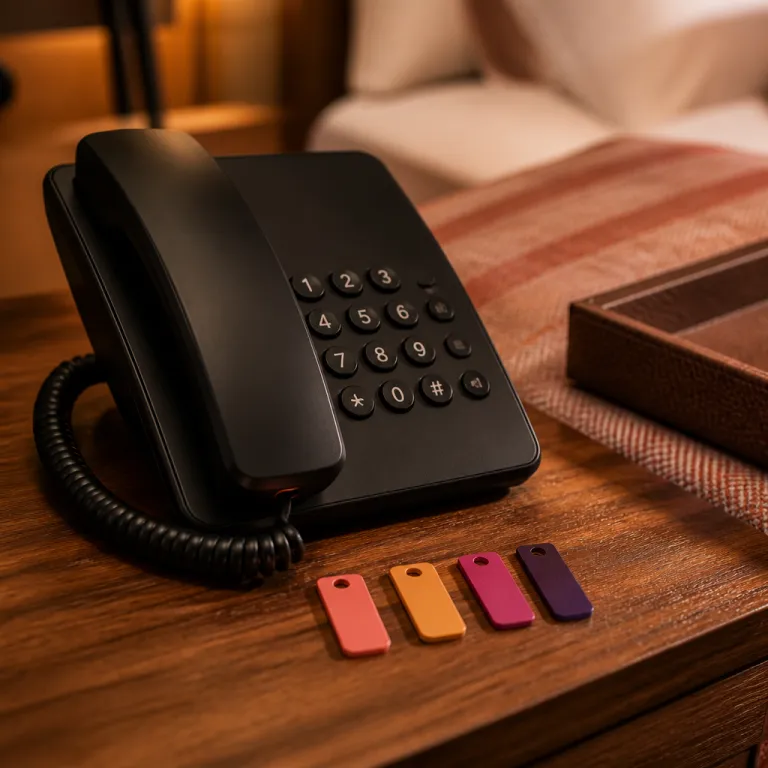
The hotel room telephone as a data rich node in CRS architecture
For many distribution leaders, the humble hotel room telephone feels like a relic. Yet in a modern centralized reservation system (CRS), each room telephone can operate as a data rich node that connects guest behavior, service demand, and B2B performance. When you treat every hotel room telephone as a structured touchpoint, you unlock granular insights that your CRS can route to revenue management, sales, and operations.
Hotel guests still expect a reliable room phone for emergencies, quick service, and reassurance. This expectation persists even as mobile phones dominate, because regulators and brands continue to require in room telephones for safety and legal compliance. The dataset confirms this operational reality through the explicit answer that “Why do hotels still have room phones?” is resolved by “For safety, legal compliance, and guest convenience.”
From a systems perspective, each guest room telephone can be mapped in the CRS as a service channel with its own identifiers. When a hotel guest calls the front desk from a room telephone, the call reason, duration, and resolution can be logged and tied to the specific room, rate plan, and distribution channel. That transforms the analog perception of hotel phones into a digital signal that enriches stay data across hotels in a group.
Modern hospitality platforms already integrate telephony events with PMS and CRS workflows. A hotel phone in a standard guest room can trigger automated tasks, such as opening a ticket for housekeeping or logging a maintenance request, which then appears in centralized dashboards. When scaled across hundreds of hotels, these room phones become a quiet but powerful contributor to service level KPIs and B2B contract compliance.
Even a classic analog room phone on the desk can be upgraded with IP gateways and phone faceplates that map speed dial keys to CRS service codes. This allows a hotel to add custom telephone layouts per segment, for example different phone faceplates for corporate floors versus leisure rooms. In black and white branded designs, phone faceplates can also carry QR codes that link to digital compendiums, while the physical telephone remains the mandated emergency device.
Groups that operate both hotel and hotel motel properties can standardize room telephones in their CRS catalog. Each phone hotel configuration, from a simple phone black analog set to a modern IP device with USB charging, can be defined as an asset class with cost, depreciation, and service capabilities. This structured approach lets distribution and B2B sales teams compare service levels across hotels when negotiating with OTAs, GDS partners, and wholesalers.
There is also a branding dimension to the hotel phone that many channel managers overlook. A custom telephone with a tailored faceplate in every hotel room reinforces brand standards and service promises that are sold through B2B channels. When a phone guest presses a single speed dial key for the front desk or concierge, the experience either validates or undermines the value proposition that your CRS distributes to partners.
For centralized distribution leaders, the key is to treat room telephones as part of the same ecosystem as booking engines, CRS, and channel managers. Telephones generate operational data that can be correlated with channel mix, price sensitivity, and ancillary revenue, especially when calls relate to upgrades or late check out. By aligning telephony data structures with CRS schemas, you turn every room phone into a measurable contributor to guest satisfaction and B2B performance.
From analog hardware to smart endpoints in the direct booking tech stack
Many CRS and channel management strategies still classify the hotel room telephone as pure infrastructure. In reality, each hotel phone can become a smart endpoint in the direct booking tech stack, tightly integrated with PMS, CRM, and centralized distribution rules. This shift requires both technical upgrades and a new mindset about how phones, rooms, and prices interact in the guest journey.
Start with the hardware that sits on the desk in every guest room. Even if you keep analog room telephones for resilience, you can connect them through IP PBX systems that feed structured events into your CRS and CRM. That way, a call from a hotel guest about a room price change or package query becomes a tagged interaction that your direct sales team can analyze alongside web and mobile touchpoints.
Modern hotel telephones increasingly include USB charging ports, Bluetooth options, and clear phone faceplates that highlight key services. When a guest plugs a mobile phone into a room phone with USB charging, you gain an opportunity to align digital and voice channels, for example by sending a confirmation SMS after a front desk call. These hybrid devices bridge the gap between traditional telephones and app based communication without sacrificing the safety function of a fixed room telephone.
For direct booking strategies, the hotel room telephone still plays a role in conversion and upsell. A phone guest who calls from a hotel room to query a better price or a late check out can be routed to a centralized B2B sales desk that handles corporate policies and negotiated rates. With the right CRS integration, the agent can see the originating room, distribution channel, and current price fences, then apply targeted offers that respect parity commitments.
Channel managers should ensure that phone hotel configurations are documented in the same asset registry that tracks booking engines and payment gateways. A black hotel phone with limited keys in an economy hotel motel will support different service flows than a modern IP room telephone with multiple speed dial buttons in an upscale property. These differences matter when you design scripts, SLAs, and cross sell tactics for direct and indirect channels.
On the software side, telephony events should feed into the same analytics layer that powers direct booking optimization. If a spike in calls from specific room phones correlates with confusion about package inclusions, you have clear evidence to adjust content in your CRS and on your website. Resources such as a guide to the direct booking tech stack can help you position telephony alongside chat, email, and web personalization in a coherent architecture.
Even the aesthetics of phone faceplates and devices influence guest behavior and call volumes. A modern black custom telephone with clear icons for room service, spa, and loyalty enrollment will generate different interaction patterns than a generic beige analog set. By testing variations across hotels and tracking call data in your CRS, you can refine both design and scripting to support direct revenue goals.
Ultimately, the hotel room telephone should be treated as a controllable, measurable component of your direct booking ecosystem. When you align telephony capabilities, from USB charging to speed dial layouts, with your CRS and B2B distribution strategy, you turn a legacy device into a flexible endpoint. That alignment supports higher conversion, better guest satisfaction, and more accurate forecasting across your centralized distribution network.
Embedding telephony events into centralized distribution and B2B workflows
Centralized distribution thrives on structured, timely, and actionable data. Every call made from a hotel room telephone can enrich that data stream, especially when it is captured and routed through your CRS in real time. For distribution managers and channel managers, the challenge is to embed telephony events into B2B workflows without adding friction for hotel staff or guests.
Begin by defining clear event types for calls originating from room phones and front desk extensions. A call from a guest room to the front desk about a billing issue should be tagged differently from a speed dial request for room service or a wake up call. When these events are standardized across hotels in a group, your CRS can aggregate them and surface patterns that inform both pricing and contract negotiations.
Telephony vendors now offer APIs that push call metadata directly into CRS and CRM platforms. This means that a phone guest who calls from a specific room telephone can be matched with their reservation, loyalty profile, and distribution channel, even if the call is handled by a centralized contact center. For B2B sales teams, this linkage reveals how often corporate travelers or wholesale segments rely on hotel phones for support, which can influence service level commitments in RFPs.
Groups that operate mixed portfolios, including hotel motel properties and upscale hotels, should harmonize their phone hotel standards. A simple analog phone black device in an economy guest room may only support basic speed dial keys, while a more advanced hotel phone in a flagship property offers multiple programmable buttons and USB charging. Your CRS should understand these differences so that service promises in B2B contracts reflect the actual capabilities of each room phone configuration.
When telephony data flows into centralized dashboards, distribution leaders can correlate call volumes with channel mix and price changes. For example, a sudden increase in calls from room telephones about Wi Fi charges or minibar pricing may signal a misalignment between OTA content and on property policies. By linking these insights to a B2B distribution platform such as the one described in a recent case study on how a property hub reshapes B2B hotel distribution, you can adjust both content and contracts.
Operationally, front desk teams need simple interfaces that translate phone events into structured CRS actions. When a hotel guest calls from a room phone to request a late check out, the agent should be able to log the request, apply any price adjustments, and update inventory in the CRS with minimal clicks. This tight loop between room telephones, staff workflows, and centralized systems reduces errors and supports accurate availability across OTAs, GDS, and wholesalers.
Even emergency calls from hotel room telephones carry distribution implications. Regulations require that telephones in every hotel room provide direct access to emergency services, and your CRS should record these events for compliance reporting and risk management. Aggregated across hotels, this data can influence insurance negotiations and brand standards, reinforcing the strategic value of reliable room phones.
By embedding telephony events into B2B workflows, you also create new opportunities for proactive service. If repeated calls from specific room phones indicate recurring technical issues, your CRS can trigger maintenance tasks before guests complain on public channels. This preventive approach protects review scores, which in turn strengthens your position in B2B negotiations with OTAs and corporate buyers.
Monetization, cost control, and the changing economics of hotel telephones
Revenue from hotel room telephone calls has been declining for years, and the dataset notes a 16 percent drop in hotel telephone revenue since the early 2000s according to PricewaterhouseCoopers. For distribution and B2B sales leaders, this shift forces a re evaluation of how telephones in hotel rooms contribute to overall profitability. The focus has moved from direct call revenue to indirect value through guest satisfaction, safety, and ancillary sales.
Most hotels now position in room phones as primarily free access points for internal calls and emergency services. External calls may still carry a price, but guests often prefer their own mobile phones for outbound communication, especially international calls. This reality means that the business case for investing in modern hotel telephones must consider operational efficiency, brand perception, and data capture rather than pure call margins.
One monetization avenue lies in using room telephones to trigger high margin services. A speed dial key on the phone faceplate that connects directly to spa reservations, premium Wi Fi, or F&B ordering can generate incremental revenue that far exceeds any call charges. When these interactions are logged in the CRS, revenue managers can analyze which room types, hotels, or B2B segments respond best to telephone based upsell prompts.
Cost control remains critical, especially for large groups with thousands of room phones across multiple hotels. Standardizing on a limited set of phone hotel models, such as a robust analog phone black device for economy brands and a more modern IP room telephone with USB charging for upscale properties, simplifies maintenance and procurement. Centralized contracts with telephony vendors can then be negotiated at scale, with clear SLAs that align with brand and B2B commitments.
There is also a subtle impact on perceived value when guests see a high quality hotel phone in their room. A custom telephone with a clean black design, clear labeling, and a solid handset conveys reliability and attention to detail, which supports premium pricing strategies. In contrast, outdated or damaged room telephones can undermine the price positioning that your CRS communicates to OTAs, GDS, and corporate buyers.
Some groups experiment with bundling telephony features into rate plans, especially for long stay or corporate segments. For example, a negotiated B2B rate might include free external calls from room telephones to domestic numbers, framed as a convenience for traveling executives. When tracked in the CRS, usage data from these hotel telephones can inform future contract renewals and help justify higher base prices.
From a risk management perspective, reliable hotel room telephones reduce potential liabilities related to emergency access. Ensuring that every guest room has a functioning room phone with clear instructions on the faceplate is not only a brand standard but also a legal safeguard in many jurisdictions. The cost of maintaining these devices should be weighed against the potential impact of non compliance on both reputation and B2B relationships.
Ultimately, the economics of hotel telephones now hinge on their role as enablers of service, safety, and data rather than direct revenue generators. Distribution leaders who integrate telephony metrics into their CRS dashboards gain a more complete view of how room phones influence guest satisfaction, ancillary revenue, and contract performance. That holistic perspective supports smarter investment decisions and more credible B2B negotiations.
Designing guest centric telephony experiences that support B2B promises
Every B2B contract, from OTA agreements to corporate deals, implicitly promises a certain level of on property service. The design of the hotel room telephone experience plays a quiet but decisive role in delivering on those promises for each hotel guest. When room telephones are intuitive, reliable, and aligned with brand standards, they reinforce the value proposition that your CRS distributes across channels.
Guest centric design starts with clarity on the phone faceplate in every hotel room. Labels for front desk, housekeeping, room service, and emergency services must be unambiguous, ideally supported by icons and multilingual text where relevant. A well designed custom telephone faceplate reduces friction for guests, lowers call misrouting, and shortens handling times, which benefits both operations and B2B service level metrics.
Speed dial keys are particularly powerful in shaping how guests use room phones. A dedicated button for the front desk encourages guests to call rather than escalate issues through public reviews, while a clearly marked key for loyalty enrollment can support direct channel growth. When these buttons are standardized across hotels, your CRS can track usage patterns and correlate them with guest satisfaction scores and repeat booking behavior.
Physical design choices also influence perception and usability. A modern black hotel phone with a stable base, clear backlit keys, and integrated USB charging feels more premium than an aging beige analog set, even if both connect to the same telephony system. For hotel motel properties targeting budget conscious travelers, a simpler phone black device may suffice, but it should still offer a clear path to emergency services and essential hotel contacts.
Accessibility considerations are essential, especially for guests with limited mobility or visual impairments. Placing the room telephone within easy reach of the bed and ensuring that keys are large and high contrast can make a significant difference in perceived safety. These design details should be codified in brand standards and reflected in B2B documentation so that corporate buyers understand the level of care offered to their travelers.
Some brands experiment with thematic designs, such as ash colored telephones that match interior palettes or co branded devices in partnership with technology companies. While aesthetics matter, functionality must remain paramount, particularly for emergency access and intuitive navigation. Any custom telephone design should be tested with real guests to ensure that creative choices do not compromise clarity or speed of use.
Training for front desk and reservations teams is the final piece of a guest centric telephony strategy. Agents must know how to handle calls from room phones efficiently, with scripts that align to B2B commitments and brand tone of voice. When a phone guest calls about a rate discrepancy or amenity issue, the response should reflect both the contractual obligations in your CRS and the emotional needs of the hotel guest.
By aligning telephony design, placement, and scripting with your centralized distribution strategy, you create a coherent experience from booking to stay. Guests who feel supported by an easy to use room phone are more likely to trust the brand, accept price differentials, and book again through preferred channels. That trust, in turn, strengthens your negotiating position with OTAs, GDS partners, and corporate buyers who rely on consistent on property delivery.
Future ready telephony strategies in a mobile first, cookie less distribution landscape
Smartphones have reshaped how guests communicate with hotels, but they have not eliminated the need for a reliable hotel room telephone. Instead, distribution leaders must design telephony strategies that complement mobile channels and support a cookie less, privacy conscious marketing environment. The goal is to blend fixed room telephones, mobile apps, and web experiences into a coherent, data aware ecosystem.
As third party cookies fade from the digital marketing toolkit, first party data from on property interactions becomes more valuable. Calls from room telephones, especially when linked to loyalty profiles and CRS records, represent a rich source of behavioral data that respect privacy while informing personalization. When a hotel guest repeatedly uses the room phone to order in room dining, for example, your CRM can flag a preference for F&B offers without relying on invasive tracking.
Integrating telephony with mobile experiences is a natural next step. A QR code on the phone faceplate can open a mobile concierge app, while a button in the app can trigger a call to the front desk that still routes through the room telephone system for recording and analytics. This hybrid approach ensures that guests who prefer voice communication are supported, while digital natives can move fluidly between channels.
For distribution and B2B sales teams, telephony data can enhance retargeting and upsell strategies that no longer depend on third party cookies. Insights from room phone usage, such as frequent calls about late check out or airport transfers, can inform segmented email campaigns and on site messaging. Resources that explore retargeting hotel website visitors without third party cookies, such as recent analyses of strategies that work in a cookie less environment, can be complemented by telephony based insights.
Technology choices will shape how future ready your telephony strategy becomes. IP based hotel telephones with open APIs make it easier to integrate room phones into CRS, CRM, and analytics platforms, while legacy analog systems may require gateways and middleware. When planning renovations or new builds, distribution leaders should advocate for telephony solutions that align with long term data and integration roadmaps.
Security and compliance must remain at the forefront as telephony systems become more connected. Voice data and call metadata from room telephones should be handled with the same rigor as other guest information, with clear policies on retention, access, and anonymization. Transparent communication about how telephony data is used can strengthen guest trust and support B2B relationships with partners who prioritize data protection.
Finally, future ready telephony strategies should remain flexible enough to accommodate emerging channels. Voice assistants, messaging platforms, and AI powered contact centers will continue to evolve, but the fixed hotel room telephone will likely remain a mandated safety device for many years. By treating it as a stable anchor in a changing communication landscape, you can build resilient distribution and B2B strategies that adapt without sacrificing core reliability.
In this context, the hotel room telephone is no longer a forgotten artifact on the desk. It becomes a strategic endpoint that bridges safety, service, data, and distribution, supporting both guest expectations and the complex B2B ecosystem that underpins modern hospitality. The hotels that recognize and act on this potential will be better positioned to navigate the next wave of technological and regulatory change.
Key figures and operational benchmarks for hotel room telephones
- Hotel telephone revenue has declined by 16 percent since the early 2000s according to PricewaterhouseCoopers, reflecting the shift from chargeable external calls to mobile phone usage by guests. This figure is drawn from PwC hospitality telecommunications analyses that track ancillary revenue lines in full service hotels.
- In many international markets, brand and regulatory standards still require at least one fixed telephone in every hotel room, which means that telephony remains a non negotiable capital and operational expense for hotel groups. Typical examples include North American fire and building codes and global chain standards for emergency access.
- Industry surveys consistently show that a majority of guests expect in room telephones to provide free internal calls to the front desk and hotel services, even when external calls are chargeable or blocked. In several large chain surveys, internal call expectations regularly exceed 70 percent of respondents.
- Operational data from large hotel groups indicates that a significant share of in stay service requests, often more than one third in full service properties, still arrive via room telephones rather than mobile apps or messaging platforms. In internal benchmarks shared by multi brand portfolios, call volumes from guest rooms frequently outnumber app tickets on high occupancy days.
- Emergency preparedness audits frequently highlight the presence and clarity of room telephones as a critical factor in guest safety compliance, influencing insurance conditions and brand risk assessments. Audit checklists typically verify handset placement, emergency dialing instructions, and backup power for telephony systems.
FAQ about hotel room telephones in centralized distribution
Why do hotels still have room phones when guests carry mobiles ?
Hotels maintain room phones because safety regulations and brand standards often require a fixed telephone in every guest room. A hotel room telephone guarantees access to emergency services and the front desk even if a mobile phone is lost, uncharged, or without coverage. It also provides a consistent communication channel that hotels can monitor, log, and integrate with CRS and PMS systems.
Are calls from hotel room telephones usually free for guests ?
Internal calls from room telephones to the front desk or hotel services are typically free, while external calls may incur charges depending on the hotel policy. Many hotels now block or heavily price external calls because guests prefer their own mobile phones for outbound communication. Distribution leaders should ensure that any call charges are clearly communicated in pre arrival information and on the phone faceplate.
Can guests use the hotel room telephone for emergency calls ?
Yes, in most jurisdictions hotel room telephones must provide direct access to local emergency services, often without the need to dial a prefix. Clear instructions are usually printed on the phone faceplate or nearby, and staff are trained to respond quickly to emergency calls from room phones. This safety function is a primary reason why telephones remain mandatory in many hotel standards.
How can telephony data support CRS and B2B distribution strategies ?
When integrated with CRS and CRM platforms, call metadata from room telephones reveals patterns in guest needs, service issues, and upsell opportunities. Distribution and B2B sales teams can correlate call volumes and topics with specific channels, rate plans, or corporate accounts, then adjust content, pricing, and service commitments. This transforms the hotel room telephone from a cost center into a measurable contributor to performance.
What should hotel groups consider when upgrading room telephones ?
Hotel groups should evaluate integration capabilities, durability, guest usability, and total cost of ownership when selecting new room telephones. IP based devices with open APIs, clear phone faceplates, and features such as USB charging can support both guest satisfaction and data capture goals. Standardizing models across hotels simplifies maintenance and ensures that B2B promises about on property service are consistently delivered.
References
- PricewaterhouseCoopers – hospitality and leisure telecommunications revenue studies that document a decline of roughly 16 percent in room telephone income since the early 2000s, based on ancillary revenue reporting from branded hotels.
- Teledex Corp – manufacturer documentation and historical material on hotel specific telephones, including guidance on faceplate layouts, programmable keys, and branding options used in chain standards worldwide.
- Global hotel brand standards documents – chain scale specifications for in room telephony, emergency dialing, and minimum equipment requirements, typically published in internal brand manuals and referenced in franchise and management agreements.