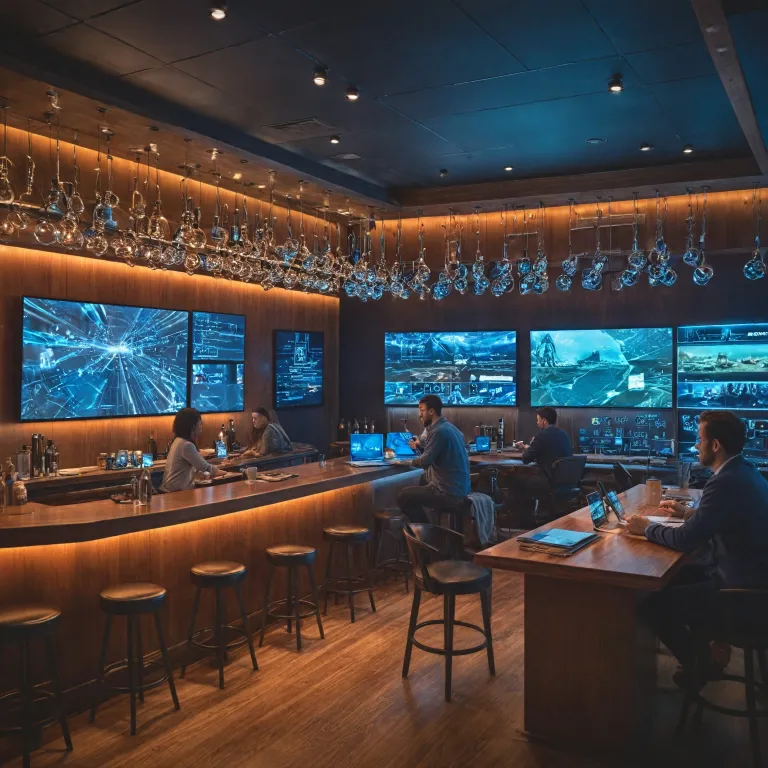
From fragmented feeds to a unified sports bar TV distribution system
For hospitality distribution leaders, the sports bar TV distribution system has become a live laboratory for real time B2B performance. A single sports bar now operates like a compact multi property group, where bar systems, content sources, and customer flows must align with commercial agreements. When sports bar owners invest in new systems, they expect measurable uplift in spend per guest and length of stay.
Behind the scenes, AV integrators design matrix based architectures that route every game to the right screens with minimal friction. A robust HDMI matrix with intelligent matrix switchers can feed dozens of tvs from multiple sources, while preserving signal quality and latency. In upgraded venues, it is common to see more than 80 screens and over 20 sources mapped through a single control system.
For B2B hotel groups operating bars restaurants, this architecture mirrors the logic of channel management. Each cable box or IP feed is a source, each screen is a demand node, and the bar distribution logic is the equivalent of an allocation rule. When sports bars add digital signage to promote room packages or group offers, the audio video layer becomes a direct sales channel. The same control systems that route video can segment content by zone, time, and customer profile.
Sports bar owners, AV integrators, and equipment manufacturers therefore sit inside a broader hospitality distribution ecosystem. Their choices on switchers, sound systems, and bar control interfaces directly influence how customers perceive value. In practice, the best systems are those where staff can change games, sound, and promotions in seconds, without technical training.
Aligning bar control, content rights, and B2B sales objectives
In a competitive hospitality landscape, a sports bar TV distribution system is no longer a pure technical asset. It is a commercial platform where content rights, B2B contracts, and guest expectations intersect in real time. For channel managers, the way screens and sound are orchestrated can either support or dilute negotiated value with partners.
Centralized control systems allow staff to manage multiple screens, tvs, and sound systems from a single interface. According to verified guidance, “Centralized control systems simplify the management of multiple displays and sources, enabling staff to quickly and efficiently change channels, adjust volumes, and manage content across all screens.” When a major game goes into overtime, bar control logic can instantly prioritize that game on key screens while maintaining digital signage for premium sponsors.
In bars restaurants operated by hotel groups, the same control system can push targeted B2B messages. One zone of screens might show live sports, while another rotates digital signage for meeting packages, corporate rates, or group offers. Linking this to advanced direct booking strategies for B2B distribution, as outlined in elevating hotel revenue with direct booking strategies, turns the bar distribution layer into a measurable acquisition funnel.
From a systems perspective, HDMI matrix switchers and AV over IP encoders provide the flexibility to route multiple sources. Each cable box, streaming app, or in house channel becomes a node that can be monetized through sponsorships or cross selling. For B2B sales directors, the viewing experience is therefore a structured inventory of impressions, not just entertainment.
Designing matrix switchers and control systems as distribution infrastructure
When hospitality groups standardize a sports bar TV distribution system across properties, they effectively create a new distribution rail. Matrix switchers, control systems, and bar systems become shared infrastructure, much like a CRS or GDS connection. The objective is to guarantee a consistent viewing experience and consistent commercial messaging in every bar.
Modern HDMI matrix architectures, including wolfpack sports solutions and other hdmi matrix platforms, allow bars to scale from a handful of screens to dozens. In one documented upgrade, a sports bar operated 84 displays and 21 video sources, all orchestrated through a single matrix switcher. For hotel groups, this level of control mirrors the granularity they expect from B2B manufacturer distributor classification criteria in channel management, as discussed in classification criteria for hospitality channel partners.
Each sports bar in the portfolio can be treated as a distribution node with defined capabilities. Some bars may support advanced audio video zoning, while others rely on simpler bar hdmi layouts with fewer switchers. By cataloguing these capabilities, distribution leaders can align sponsorship packages, content partnerships, and B2B campaigns with the actual technical inventory of screens and sound systems.
Wolfpack branded matrix systems, and similar platforms, illustrate how equipment manufacturers now design specifically for sports bars. Their control systems expose APIs that can integrate with loyalty platforms, CRM tools, or even B2B booking engines. For example, a digital signage loop could automatically adjust based on occupancy data, promoting group offers when the bar is quieter and premium seating for key games when demand spikes.
From game selection to data driven bar distribution strategy
For channel managers, the most underused asset in a sports bar TV distribution system is data. Every change of game, every switch between directv channels and local feeds, and every shift in sound focus reflects customer demand. When aggregated, these micro decisions form a powerful dataset for B2B negotiations and content acquisition.
Control systems that log which sources are shown on which screens, and for how long, can generate precise viewing profiles. Over a season, a sports bar may learn that certain leagues consistently fill bars, while others underperform despite premium rights fees. This evidence can support more rigorous account prioritization, complementing frameworks such as those detailed in refining B2B sales account prioritization criteria.
Matrix switchers and hdmi matrix platforms can also tag each cable box or IP source with metadata. When staff route a game to multiple screens, the system records not only the source but also the zones and associated bar systems. Over time, this enables correlation between specific content, beverage sales, and length of stay, turning the viewing experience into a measurable KPI.
For B2B sales teams, such insights inform which partners to feature in digital signage, which sports to promote in pre stay communications, and which bars to position as flagship venues. The best sports bars use this data to refine their mix of directv channels, streaming apps, and in house promotions, ensuring that every screen and every sound system contributes to revenue rather than just ambience.
Engineering the in venue experience across screens, sound, and signage
From a guest perspective, the value of a sports bar TV distribution system is judged in seconds. Customers expect the best game on the best screen, with sound aligned to the most relevant match for their table. If staff struggle with bar control, the perceived quality of the venue drops immediately.
To avoid this, AV integrators design control systems that abstract technical complexity. Staff interact with simple layouts showing screens, zones, and sources, while the underlying matrix and switchers handle routing. A wolfpack sports configuration, or similar bar systems, can map dozens of tvs and sound systems into intuitive presets such as “early kick off,” “prime time,” or “multi game afternoon.”
Audio video zoning is particularly critical in bars restaurants attached to hotels. One area may prioritize family friendly content with lower sound levels, while another focuses on premium sports with immersive sound systems. Digital signage can be layered onto unused screens, promoting loyalty programs, meeting spaces, or partner offers without disrupting the main game.
Technically, this requires robust hdmi cabling, reliable cable boxes or IP decoders, and a resilient control system. When multiple sources feed multiple screens, any weakness in the system can cascade into visible failures during peak demand. The best sports bars therefore treat their bar distribution infrastructure with the same rigor that hotel groups apply to CRS uptime or channel connectivity, including proactive monitoring and scheduled maintenance.
Scaling sports bar systems across multi property hotel portfolios
For hotel groups, replicating a successful sports bar TV distribution system across properties is a strategic B2B move. A standardized design for matrix switchers, bar hdmi layouts, and control systems simplifies procurement and training. It also creates a consistent platform for regional or global sponsorship deals that rely on predictable screen inventory.
Groups can define reference architectures for small, medium, and flagship sports bars, each with clear specifications for tvs, screens, sound systems, and digital signage. In smaller bars, a compact hdmi matrix may handle a limited number of cable boxes and sources. In flagship venues, larger matrix systems and AV over IP solutions can support dozens of screens and complex zoning.
Equipment manufacturers and AV integrators become long term partners in this scaling process. They help align wolfpack style systems, or equivalent platforms, with the group’s B2B sales roadmap and content strategy. For example, a chain might negotiate regional rights for specific sports, then ensure that every bar distribution design can showcase those games prominently on the best screens.
Ultimately, the viewing experience in these sports bars feeds back into the broader hospitality distribution strategy. Satisfied customers are more likely to extend stays, book group events, or engage with loyalty offers promoted via digital signage. For distribution and channel leaders, investing in robust bar systems is therefore not a side project, but a core lever in the B2B value chain.
Key quantitative insights for sports bar TV distribution systems
- One upgraded sports bar operated 84 displays connected to a centralized video distribution backbone.
- In another documented case, 21 distinct video sources were routed simultaneously across the venue.
- These configurations typically rely on HDMI matrix switchers and AV over IP encoders to maintain signal quality.
- Centralized control interfaces allow a single staff member to manage all screens and sources efficiently.
Frequently asked questions about sports bar TV distribution strategy
What are the benefits of AV over IP solutions in sports bars ?
AV over IP solutions offer flexible and scalable video distribution, allowing sports bars to easily manage multiple displays and sources with centralized control. They reduce the need for long HDMI runs, simplify future expansion, and enable granular zoning across large venues. For multi property hotel groups, this architecture also supports standardized designs and remote monitoring.
How do centralized control systems improve sports bar operations ?
Centralized control systems give staff a single interface to manage screens, sources, and sound zones. This reduces errors during peak service, shortens training time, and ensures that the right game appears on the right screen quickly. It also enables consistent execution of sponsorships and digital signage campaigns across all bars.
Why is scalability important in sports bar TV distribution systems ?
Scalability ensures that a venue can add more screens, sources, or zones without redesigning the entire system. As viewing habits evolve and new sports rights or streaming platforms emerge, bars can adapt their infrastructure with minimal disruption. For hotel groups, scalable designs protect capital expenditure and support long term B2B partnerships.
How can data from TV distribution systems support B2B sales ?
Usage data from control systems reveals which games, leagues, and channels drive the most engagement and revenue. B2B sales teams can use these insights to prioritize content partnerships, negotiate better terms, and design targeted promotions. Over time, this transforms the bar from a passive amenity into an actively managed commercial asset.
What role do equipment manufacturers play in hospitality distribution strategy ?
Equipment manufacturers provide the matrix switchers, control systems, and endpoints that underpin reliable TV distribution. By collaborating with hotel groups and AV integrators, they tailor solutions to specific bar formats and B2B objectives. Their product roadmaps, including support for AV over IP and advanced control, directly influence what is commercially possible in future sports bars.