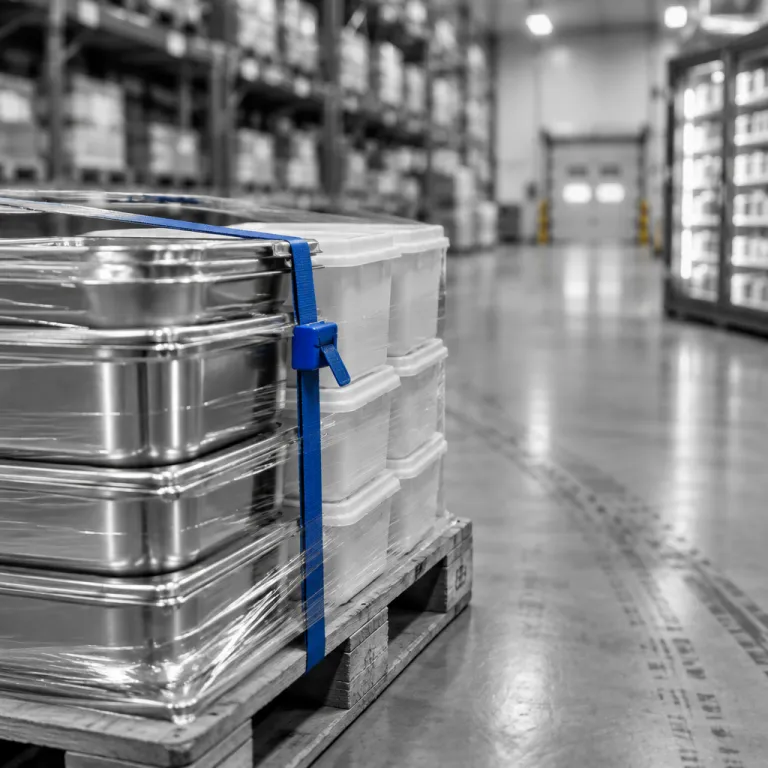
Why food grade warehouse services now matter to B2B hotel distribution
For B2B hotel distribution leaders, food grade warehouse services have moved from back office detail to strategic lever. When your hotel group sells meetings, incentives, conferences, events, and long stay contracts, the way food and beverage products flow through certified storage and distribution networks directly affects rate parity, service level agreements, and channel performance. A misaligned approach to warehousing and storage can quietly erode margins, damage brand safety perception, and trigger regulatory exposure across multiple markets.
Hospitality distribution teams increasingly sit at the crossroads of logistics and sales, because clients now expect integrated food and beverage solutions bundled with rooms, venues, and technology. If your contracted facilities for food storage and beverage storage fail to meet food safety expectations, your corporate buyers will renegotiate or move volume to competitors with stronger audited cold chain logistics. This is why channel managers and B2B sales directors must understand how warehouse selection, temperature control policies, and inventory visibility connect to GDS, OTA, and CRS promises.
In practice, every warehouse and every logistics food partner you choose becomes part of your extended supply chain brand. A single food grade non compliance incident in a regional hub can cascade through cross docking operations, delay delivery of finished goods, and force last minute menu changes for high value groups. In 2022, for example, a refrigeration failure at a large U.S. cold storage facility used by several national restaurant and hospitality brands led to the disposal of thousands of chilled items and forced multiple hotel chains to replace pre-agreed conference menus with simplified alternatives, as reported in industry trade press at the time. That disruption then hits your B2B contracts, your dynamic packaging on OTAs, and your negotiated corporate agreements that rely on reliable food products and beverage products availability.
Regulation, compliance and the hidden impact on channel commitments
Regulation around food grade warehousing is tightening, and hotel distribution leaders cannot delegate all risk to operations anymore. Health authorities and each department of agriculture in your operating countries expect that any food grade warehouse or network of food grade warehouses handling hotel food products meet strict food safety and pest control standards. When your sales teams commit to shelf stable menus, cold storage options, or specific beverage assortments in B2B contracts, they are implicitly promising that your warehousing and storage network is compliant.
For multi brand hotel groups, the complexity multiplies as different warehouses and logistics food partners operate under varying certified food schemes and lot control practices. A temperature controlled facility in Atlanta may follow one set of department of agriculture inspection routines, while a European warehouse follows another, yet your OTA and GDS content must still present a unified, reliable product. This is where robust food grade warehouse services, with harmonised temperature control, cross contamination prevention, and documented pest control, become a prerequisite for credible channel management.
Distribution leaders should work with compliance and legal teams to map how food storage and food and beverage logistics obligations translate into channel content and B2B contracts. When you promote sustainable food solutions or premium beverage solutions in RFPs, you must be certain that every food grade warehousing partner can evidence quality audits, safety training, and inventory traceability. To go deeper on how hospitality compliance frameworks intersect with distribution and channel management, see this analysis on elevating hospitality compliance solutions for seamless distribution and channel management.
Designing a compliant food logistics architecture for hotel groups
Building a resilient architecture for food grade warehouse services starts with a clear map of your supply chain nodes. Identify which warehouse facilities handle high risk food products, which manage shelf stable finished goods, and which support cross docking for rapid delivery to hotels and resorts. Then align each node with explicit standards for temperature controlled storage, food safety documentation, and lot control reporting that your distribution team can reference in contracts.
Channel managers should push for unified data flows between warehousing systems, inventory tools, and CRS or PMS platforms. When a food grade warehouse in Atlanta updates inventory for a key beverage product or a popular food product, that change should cascade into B2B rate plans, MICE packages, and OTA content where that item is bundled. Without this integration, you risk selling menus or food and beverage packages that your warehouses cannot support under required quality and safety conditions.
Regulatory pressure on pricing transparency also intersects with logistics food costs and storage constraints. When new pricing law frameworks, such as those analysed in this article on near strict liability for hotel fee practices, reshape how hotels present fees, bundled food services must reflect real warehousing and delivery costs. If cold storage or temperature controlled transport for certified food products adds measurable cost, that must be priced and communicated consistently across GDS, OTA, and direct B2B channels.
Operational excellence in food grade warehousing for channel reliability
Operational excellence in food grade warehousing underpins every promise you make in B2B distribution. A well run warehouse network ensures that food storage conditions, from ambient to cold storage, remain within defined temperature ranges and that control systems log deviations for audit. This operational discipline protects both food safety and the reliability of menus and beverage assortments sold through OTAs, GDS, and corporate contracts.
To support channel reliability, insist that each warehouse and all warehouses in your network maintain clear standard operating procedures for pest control, cross contamination prevention, and lot control. When a product recall affects a specific batch of food products or beverage products, your warehousing team must be able to isolate affected inventory quickly and update hotel outlets and distribution partners. Without robust lot control and inventory visibility, you may continue to sell compromised product through B2B packages, exposing your brand to regulatory and reputational damage.
Food grade warehousing partners should also demonstrate strong logistics food capabilities, including cross docking for urgent deliveries and flexible solutions for finished goods that support last minute group bookings. In markets like Atlanta, where regional distribution hubs serve multiple states, the combination of temperature controlled vehicles, certified food handling, and efficient delivery routes can make or break your ability to honour channel commitments. When evaluating services, ask how each food grade warehouse measures quality, tracks safety incidents, and reports on on time delivery performance to your distribution team.
Data, traceability and the role of inventory control in B2B sales
For channel managers and B2B sales directors, data from food grade warehouse services is no longer a back office metric. Detailed inventory feeds from each warehouse, including product codes, shelf stable status, and temperature controlled requirements, should inform how you design food and beverage packages and minimum stay offers. When you know exactly which finished goods sit in which warehouses, you can align B2B offers with realistic delivery windows and safety constraints.
Traceability is central to both regulation and client trust, especially for large corporate and MICE buyers. Your warehousing partners must support lot control down to individual product batches, enabling rapid response if a department of agriculture inspection or supplier alert flags a risk. That traceability data should be accessible to your CRS or central inventory tools, so that any affected food products or beverage products can be removed from sale across OTAs, GDS, and direct channels in near real time.
Advanced logistics food platforms now integrate warehouse management, storage monitoring, and distribution planning into a single view for hotel groups. When these systems connect to your channel management stack, they allow you to pause specific food grade offers, reroute delivery from alternative food grade warehouses, or adjust menus in response to cold storage failures. This level of control turns warehousing from a static cost centre into a dynamic lever for B2B sales optimisation and risk mitigation.
Strategic partnerships and ecosystem alignment around food grade facilities
Strategic partnerships with providers of food grade warehouse services can reshape how hotel groups negotiate with OTAs, GDS, and corporate buyers. When you can demonstrate that your facilities network includes multiple certified food warehouses with robust temperature control and pest control, you strengthen your position in RFPs that prioritise food safety. This is particularly relevant for international chains that centralise food storage and distribution through regional hubs such as Atlanta.
Aligning your ecosystem means bringing together procurement, logistics, distribution, and sales around shared standards for food grade warehousing and storage. Procurement teams must select suppliers whose products and finished goods can withstand the temperature controlled conditions and cross docking rhythms of your chosen warehouses. At the same time, sales teams should understand which food and beverage solutions are operationally feasible, given the constraints of cold storage capacity, shelf stable inventory, and delivery lead times.
As B2B clients ask more questions about food safety, sustainability, and supply chain resilience, your ability to articulate how your food grade warehouse network operates becomes a differentiator. You can reference how your warehouses minimise cross contamination risks, how logistics food partners handle last mile delivery, and how lot control systems protect guests and staff. For a broader view on how market shifts in meetings and events are reshaping B2B hotel distribution and channel strategy, see this perspective on how MICE industry dynamics reshape B2B hotel distribution and channel strategy.
Risk management, crisis scenarios and communication across channels
Risk management around food grade warehouse services must be embedded into your channel governance. Scenario planning should cover cold storage failures, contamination events, and logistics disruptions that affect delivery of key food products and beverage products to hotels. For each scenario, define how your warehouses, logistics food partners, and distribution team will coordinate to protect food safety and maintain B2B commitments.
In a contamination or cross contamination incident, the speed at which you can use lot control data from each warehouse to identify affected product determines both regulatory exposure and channel impact. Your crisis playbook should specify how to update OTA content, GDS descriptions, and corporate client communications when certain food and beverage items or finished goods are temporarily unavailable. Clear internal workflows between warehousing, storage operations, and channel managers ensure that no outdated food grade offers remain live in the supply chain.
Communication with B2B partners should emphasise the strength of your food grade warehousing standards, the robustness of your pest control routines, and the reliability of your temperature controlled facilities. When clients understand that your warehouses operate under strict department of agriculture aligned guidelines and that your logistics solutions prioritise safety and quality, they are more likely to accept temporary menu changes. Over time, this transparency turns your food grade warehouse network into a visible asset in negotiations, rather than an invisible operational risk.
Key figures on food grade warehousing and hospitality distribution
- According to estimates from the United States Centers for Disease Control and Prevention, foodborne illnesses affect roughly 48 million people annually in the United States, which underlines why rigorous food safety and certified food warehousing standards are critical for any hospitality supply chain.
- Research summarised by the Food Marketing Institute and other cold chain studies indicates that temperature abuse is a leading cause of product loss in food logistics, with some analyses estimating that up to around one third of food waste in the cold chain is linked to inadequate temperature control and monitoring.
- Industry analyses of logistics food operations show that implementing advanced warehouse management systems with lot control and real time inventory tracking can reduce stock discrepancies by roughly 20 % to 30 %, directly improving B2B order accuracy for hotel groups.
- Cold storage capacity has been expanding globally, with market reports valuing the temperature controlled warehousing and logistics sector at well over 200 billion US dollars in recent years, reflecting strong demand from food, beverage, and hospitality operators.
- Surveys of corporate travel and MICE buyers consistently show that more than half of respondents now include food safety and supply chain transparency questions in RFPs, pushing hotel groups to formalise their food grade warehouse services and documentation.
FAQ about food grade warehouse services in B2B hospitality distribution
How do food grade warehouse services affect B2B hotel contracts ?
Food grade warehouse services determine whether you can reliably deliver the food products and beverage products promised in corporate and MICE contracts. If warehouses fail on temperature control, pest control, or lot control, you risk breaching service level agreements and damaging channel relationships. Aligning warehousing standards with contract terms ensures that menus, packages, and bundled services remain both compliant and profitable.
What should channel managers check when selecting a food grade warehouse partner ?
Channel managers should verify certified food status, documented food safety procedures, and the robustness of temperature controlled storage and transport. They also need clear visibility into inventory, lot control capabilities, and how quickly the warehouse can support cross docking and delivery to key hotel markets. Finally, they should ensure that data from the warehouse can integrate with CRS, PMS, and channel management tools to keep offers accurate.
Why is lot control so important for hotel groups using multiple warehouses ?
Lot control allows hotel groups to trace each product batch across warehouses, logistics food partners, and hotel outlets. In case of a recall or cross contamination alert, you can quickly identify which finished goods or shelf stable items are affected and remove them from sale across OTAs, GDS, and direct channels. This protects guests, limits regulatory exposure, and preserves trust with B2B clients.
How can distribution teams collaborate with logistics to improve food safety ?
Distribution teams should participate in setting standards for food grade warehousing, including temperature ranges, pest control routines, and cross contamination prevention. Regular joint reviews with logistics and warehouse managers help align inventory strategies with B2B offers and channel commitments. Shared dashboards and KPIs around delivery performance, quality incidents, and stock accuracy keep everyone accountable.
Do food grade warehouse services influence OTA and GDS content ?
Yes, because many OTA and GDS listings now highlight food and beverage options, sustainability practices, and safety credentials. If your warehouses cannot support certain menus, dietary requirements, or certified food claims, your content must be adjusted to avoid misrepresentation. Integrating warehousing data with channel systems helps ensure that only feasible, compliant food storage and service options appear in your public offers.
Practical KPI checklist for food grade warehousing in hotel distribution
To make food logistics performance visible to commercial teams, distribution leaders should track a concise set of operational indicators. Focus on temperature deviation rate for ambient and cold storage zones, average lot trace time from alert to isolation of affected stock, and on time in full delivery performance for B2B orders. Complement these with incident frequency for pest control and cross contamination, data latency between warehouse management systems and CRS or PMS, and the percentage of menus or packages that are fully supported by available, compliant inventory across your warehouse network.