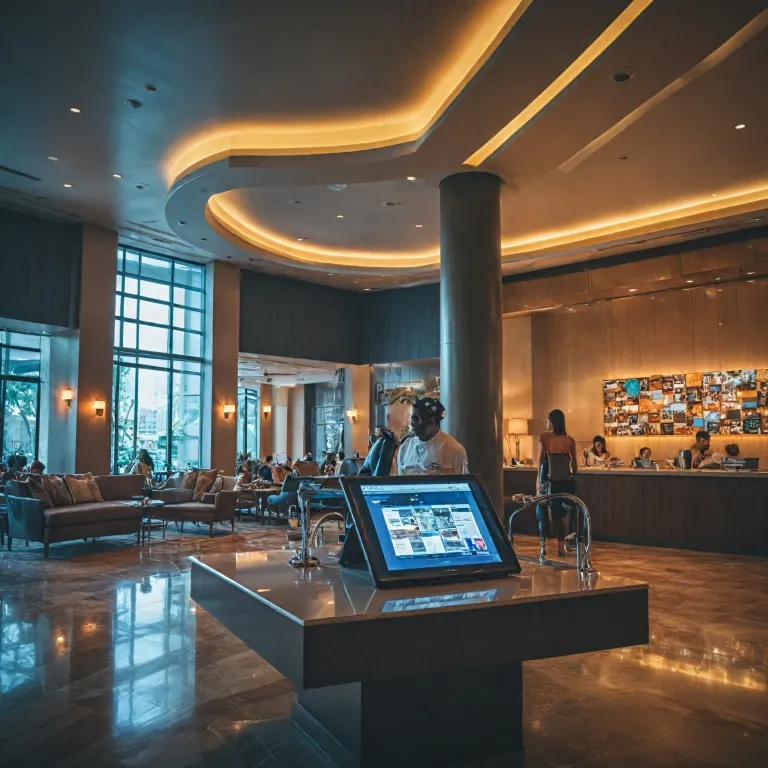
Transforming hospitality business operations through managed services
Managed services have become a cornerstone for hospitality businesses seeking to streamline operations and enhance guest experiences. By leveraging managed services, hotels and resorts can outsource complex IT operations to specialized service providers, ensuring robust network management and comprehensive security solutions. This approach enables hospitality industry leaders to focus on core business strategies while benefiting from advanced technology and support services tailored to their unique needs. The integration of managed services in the hospitality industry is not just about efficiency; it is about creating seamless guest experiences and safeguarding sensitive customer data through purpose built management systems and managed firewall solutions.
Security remains a top priority for hospitality businesses, especially as cyber threats evolve and data privacy regulations become more stringent. Managed service providers deliver security solutions that protect both business operations and guest information, reducing the risk of data breaches and loss prevention incidents. The adoption of cloud based management systems and business intelligence platforms allows for real time monitoring and proactive support, further enhancing operational resilience. As the hospitality industry continues to evolve, managed services play a pivotal role in supporting business growth, optimizing revenue, and ensuring guest satisfaction across hotels, resorts, and other hospitality establishments.
Enhancing distribution and channel management with technology-driven solutions
Distribution and channel management are critical components of the hospitality industry, requiring sophisticated solutions to manage multiple sales channels, OTAs, GDS, and wholesalers. Managed services offer hospitality businesses the ability to centralize channel management through cloud based platforms, providing a unified interface for real time inventory and rate updates. This technology driven approach streamlines operations, reduces manual errors, and supports dynamic pricing strategies that maximize revenue across all distribution points. The integration of managed services into distribution networks ensures that hotels and resorts can respond quickly to market changes and customer demands.
Support services such as help desk and network monitoring are essential for maintaining seamless operations and minimizing downtime. Managed service providers deliver 24/7 support, ensuring that any issues with the management system or network infrastructure are resolved promptly. This level of support is crucial for maintaining guest satisfaction and upholding the reputation of hospitality businesses in a competitive market. For those seeking to optimize their channel management strategies, exploring advanced channel management solutions can provide valuable insights and operational benefits. By leveraging managed services, hospitality industry leaders can achieve greater control over their distribution channels and drive sustained business growth.
Securing guest data and ensuring compliance in the hospitality industry
Data security is a fundamental concern for hospitality businesses, given the volume of sensitive customer information processed daily. Managed services hospitality industry solutions are designed to address these challenges by implementing comprehensive security measures, including managed firewall and network security protocols. These solutions protect against unauthorized access, data breaches, and other cyber threats that can compromise guest trust and business reputation. The use of cloud based management systems further enhances security by enabling centralized control and real time monitoring of all data flows within the organization.
Compliance with data protection regulations is another critical aspect of hospitality operations. Managed service providers offer expertise in navigating complex regulatory environments, ensuring that hospitality businesses adhere to industry standards and legal requirements. This support extends to loss prevention strategies, which are essential for safeguarding both physical and digital assets. For those interested in learning more about robust security solutions, the comprehensive security solutions for hospitality page offers in depth resources. By prioritizing security and compliance, hospitality industry leaders can build trust with guests and maintain a competitive edge in the market.
Optimizing revenue and business intelligence through managed services
Revenue optimization is a key objective for hospitality businesses, and managed services play a vital role in achieving this goal. By integrating business intelligence tools and cloud based management systems, hotels and resorts can access real time data and analytics that inform pricing, inventory, and distribution strategies. These insights enable hospitality industry professionals to make data driven decisions that maximize revenue and enhance guest satisfaction. Managed services also support dynamic pricing models, allowing for rapid adjustments based on market demand and competitor activity.
The use of advanced technology in revenue management extends to the interface between property management systems, channel managers, and OTAs. Managed service providers ensure seamless integration and support, reducing the risk of errors and optimizing the flow of information across all platforms. This holistic approach to revenue management empowers hospitality businesses to stay ahead of industry trends and capitalize on new opportunities.
Delivering exceptional guest experiences with purpose built managed services
Guest satisfaction is at the heart of the hospitality industry, and managed services are instrumental in delivering exceptional experiences. By leveraging purpose built management systems and support services, hotels and resorts can ensure that every aspect of the guest journey is seamless and personalized. Managed services enable the integration of advanced technology, such as AI and machine learning, to anticipate guest needs and provide tailored recommendations. This proactive approach enhances customer engagement and fosters long term loyalty.
Support services, including help desk and network management, ensure that any technical issues are resolved quickly, minimizing disruptions to guest experiences. The use of cloud based solutions allows for scalable and flexible operations, accommodating fluctuations in demand and supporting business growth. As the hospitality industry continues to evolve, the ability to deliver personalized and memorable guest experiences will remain a key differentiator. Managed services hospitality industry solutions provide the foundation for achieving this goal, enabling hospitality businesses to exceed customer expectations and drive positive outcomes.
Strategic partnerships and future trends in managed services for hospitality
The future of managed services in the hospitality industry is shaped by strategic partnerships between service providers, technology partners, and hospitality businesses. These collaborations drive innovation and enable the development of tailored solutions that address the unique challenges of the industry. The integration of AI, machine learning, and cloud based technologies is transforming how hospitality businesses manage operations, security, and guest experiences. Managed service providers play a crucial role in facilitating this transformation, offering expertise and support that empower hospitality industry leaders to stay ahead of emerging trends.
As the demand for comprehensive security and advanced management systems grows, hospitality businesses must continue to invest in managed services that align with their strategic objectives. The adoption of managed services hospitality industry solutions is not just a trend; it is a fundamental shift in how hotels, resorts, and other establishments operate and compete in a dynamic market. By embracing these solutions, hospitality businesses can achieve greater efficiency, security, and guest satisfaction, positioning themselves for long term success. As one expert notes, "Managed services in the hospitality industry involve outsourcing IT operations to specialized providers to enhance efficiency, security, and guest satisfaction." This approach is essential for navigating the complexities of modern hospitality operations and delivering value to both guests and stakeholders.
Key statistics on managed services in the hospitality industry
- 65% of hospitality employees lack employer-sponsored insurance coverage (Managed Health).
- 3,800 hotels are currently using hotelkit's services (hotelkit GmbH).
Frequently asked questions about managed services in hospitality
What are managed services in the hospitality industry?
Managed services in the hospitality industry involve outsourcing IT operations to specialized providers to enhance efficiency, security, and guest satisfaction.
How do managed services benefit hospitality businesses?
Managed services help hospitality businesses streamline IT operations, enhance cybersecurity, improve guest experiences through reliable technology, and achieve cost savings through predictable IT expenses.
What are some examples of managed service providers in the hospitality industry?
Examples of managed service providers in the hospitality industry include Cloud5 Communications, JMARK, Orca IT Solutions, and Zenkins.
What technologies are commonly used in managed services for hospitality?
Common technologies used in managed services for hospitality include Vendor Management Systems, Property Management Systems (PMS), Point of Sale (POS) Systems, and network monitoring and management tools.
What are the current trends in managed services for the hospitality industry?
Current trends in managed services for the hospitality industry include increased adoption of managed IT services, integration of AI and machine learning for personalized guest experiences, focus on cybersecurity to protect guest data, and utilization of cloud-based solutions for scalability.
- Cloud5 Communications
- JMARK
- hotelkit GmbH